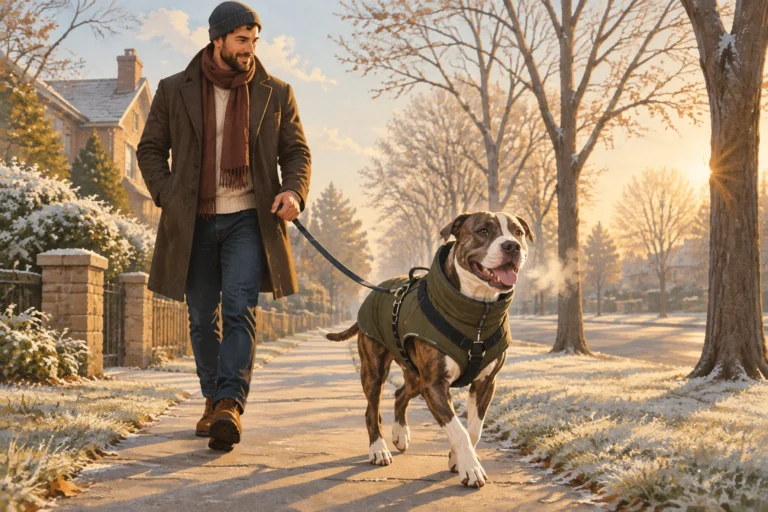
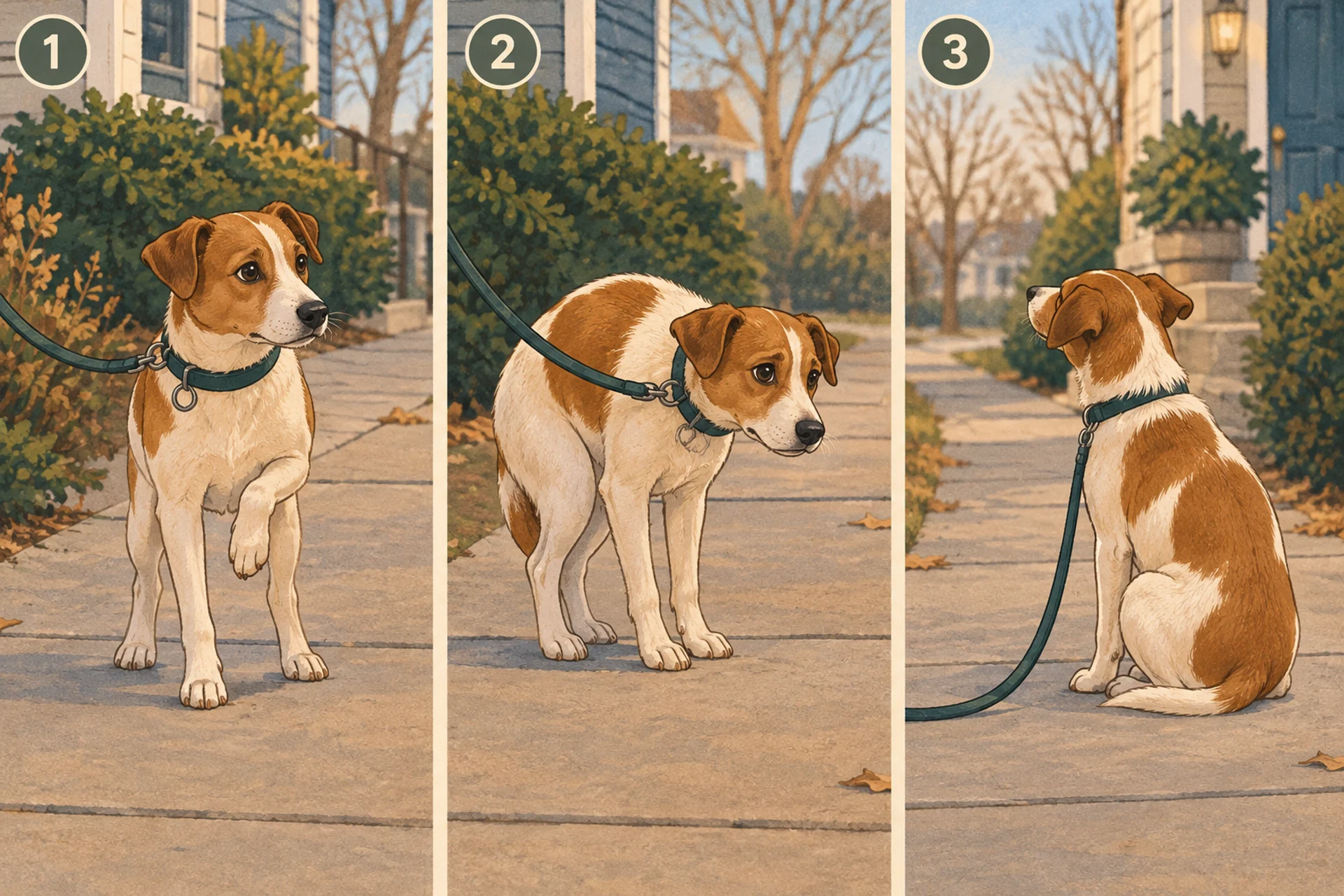
Watch the dog, not the thermometer. Cornell’s Riney Canine Health Center lists the signs to look for on a cold day: shivering, whining or barking, a tucked tail or hunched posture, lifted paws, not wanting to keep walking, or sudden anxiety. If you see any of them, Cornell’s advice is simple: get your dog somewhere warm and dry.
Indoors and at night the signs are quieter. A dog that sleeps curled into a tight ball is doing what the American Kennel Club describes as curling up to conserve warmth. Most of the time that just means the bed is in a draft. And one thing catches people out: shivering isn’t the only warning. The Merck Veterinary Manual points out that shivering is not usually a sign of hypothermia in pets the way it is in people, so a dog that is quiet, slow or wobbly in the cold matters more than one that is shaking.
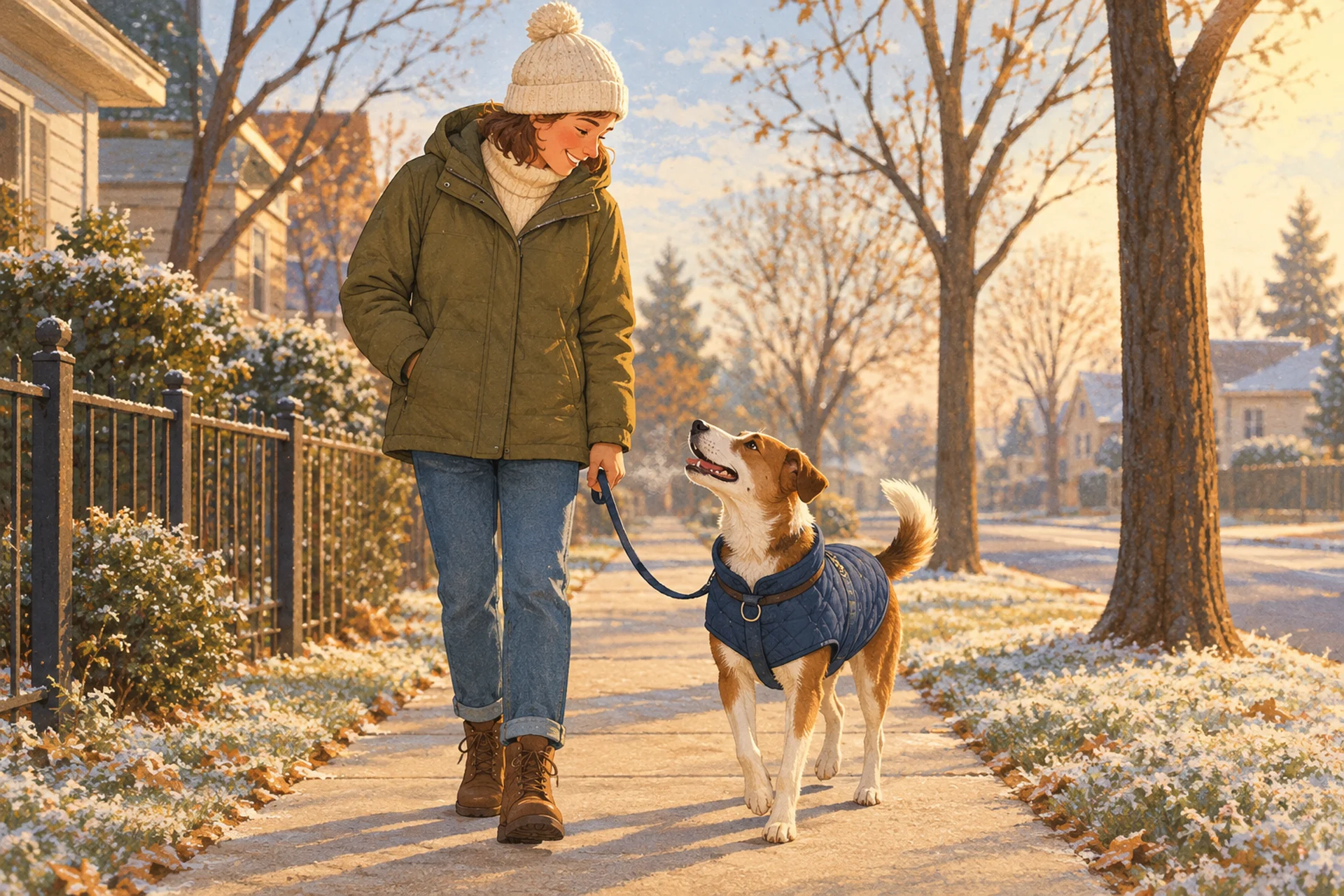
Why you can’t tell from the weather alone
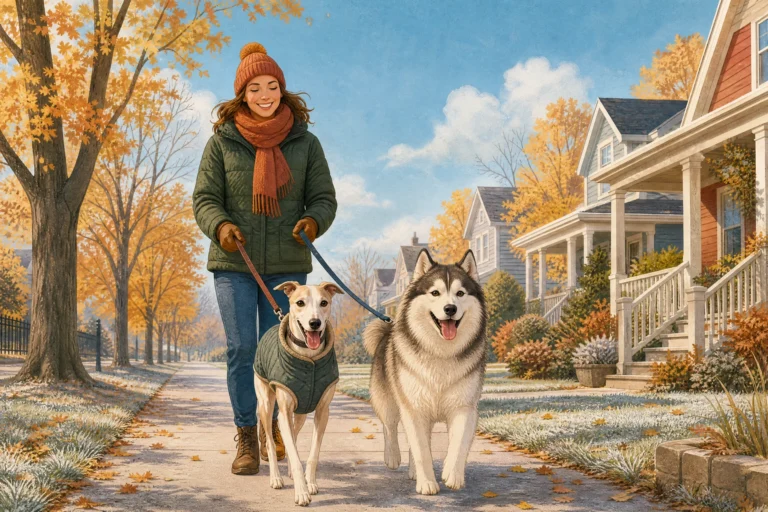
Two dogs on the same sidewalk can be in two different climates. Cornell lists what a dog’s cold tolerance depends on, and it is mostly about the dog: smaller dogs have a harder time staying warm than larger breeds, and puppies, short- or thin-coated breeds, older or underweight dogs and dogs with medical conditions all struggle more. Dogs that aren’t used to the cold yet are less prepared than ones that have had weeks to adjust. The AKC adds that very young and very old dogs have a hard time regulating body temperature.
So the same 35°F morning can be perfect for a Labrador and too much for a Whippet. If you want the temperature side of the question, our guide to what temperature a dog needs a coat covers the two lines vets actually draw. This page is about the other half: reading the dog in front of you.
Signs your dog is cold on a walk
These are Cornell’s signs, in roughly the order most owners notice them.
| What you see | What it usually means | What to do |
|---|---|---|
| Shivering or trembling | The dog is cold, unless something else explains it (see below) | Shorten the walk and head home |
| One paw held up, or lifting paws in turn | Cold ground, or ice, salt or a snowball between the toes | Check the paw. If it’s clean, it’s the cold |
| Hunched back, tail tucked | Pulling in to hold heat | Head in. Next time try a coat, or go out at a warmer time of day |
| Slowing down, sitting, refusing to go on | The dog has had enough | Turn around. Don’t push for the full loop |
| Whining, barking or sudden anxiety | Discomfort the dog can’t fix on its own | Get somewhere warm and dry |
| Weak, confused, slow or shallow breathing, stumbling | Possible hypothermia | Get warm and call your vet now |
The lifted paw deserves a second look before you blame the temperature. The ASPCA’s cold-weather advice includes clearing snowballs from between the paw pads and wiping off salt and chemicals after a walk, because both make dogs hold a foot up. Our guides to snowballs on dog paws and ice melt and dog paws cover those two.
Shivering isn’t proof, and no shivering isn’t a clean bill
Shivering works both ways, and both are worth knowing.
A shivering dog isn’t always cold. The AKC’s guide to why dogs shake lists a long set of other reasons: excitement before a walk, stress or anxiety, pain, nausea, low blood sugar in toy breeds and young puppies, age-related tremors, poisoning and seizures. A dog trembling by the door with the leash in sight is probably excited. A dog shaking indoors in a warm room, for no reason you can see, is worth a call to your vet. That is the AKC’s advice too.
A dog that isn’t shivering can still be too cold. The AKC lists shivering and curling up as the first signs of mild hypothermia, which it puts at a body temperature below 99°F. But Merck’s editorial staff point out that shivering isn’t a reliable hypothermia sign in pets, and describe affected animals as acting weak or disoriented, breathing shallowly and having a slow pulse. The AKC’s list for more serious cases includes lethargy, slowed reactions, a pale appearance and enlarged pupils.
In practice: a dog that was shivering and has now gone quiet, slow and unsteady is not “warming up.” Treat that as the more serious sign.
Signs your dog is cold indoors or at night
Inside, nobody is shivering on a sidewalk, so you’re reading posture and habits. These are softer signals, and most have a simple fix.
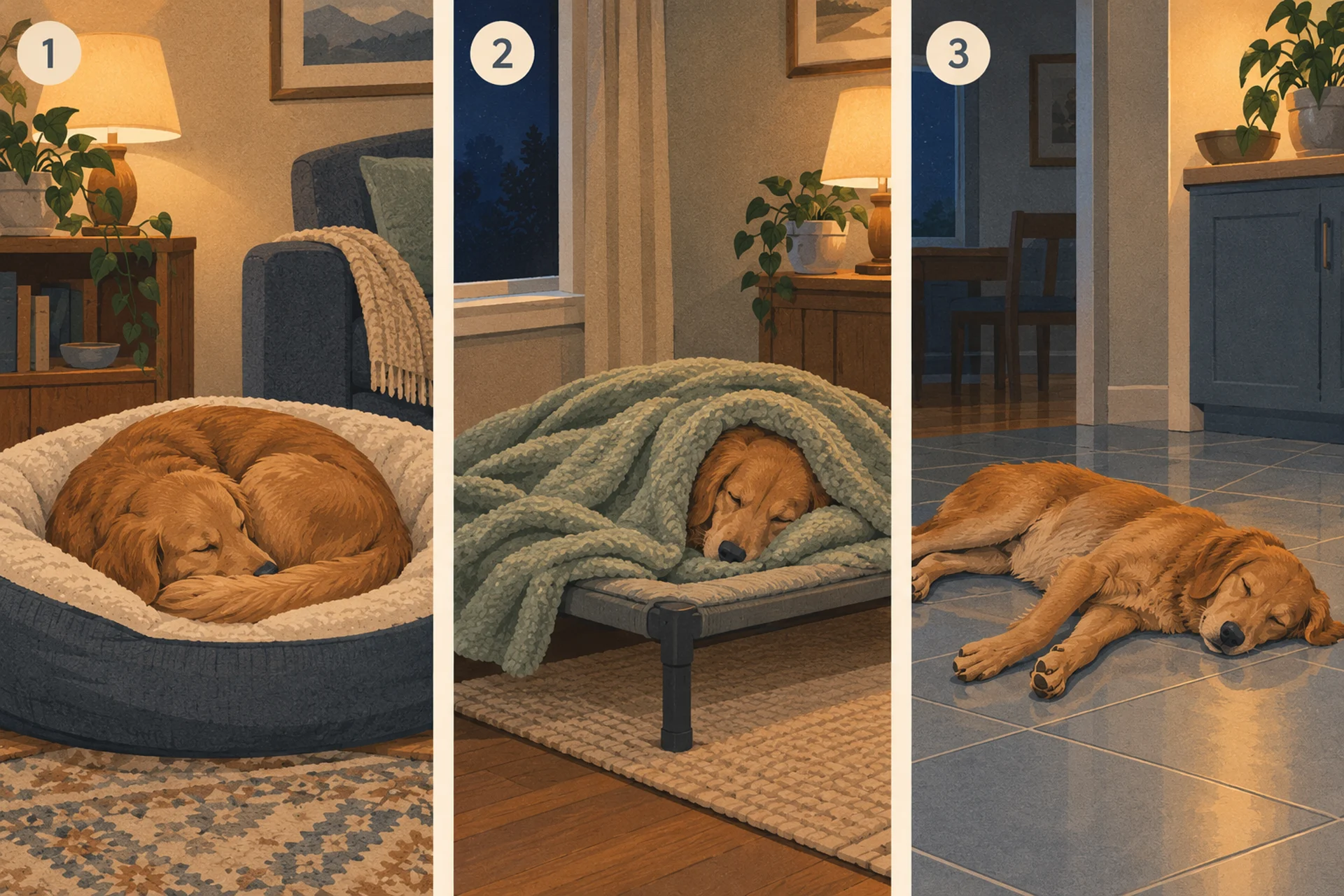
- Sleeping in a tight ball, nose tucked in. Curling up to conserve warmth is the first thing the AKC describes a cold dog doing. Many dogs sleep curled up anyway, so watch for a change: a dog that usually sprawls and is now curled tight.
- Burrowing, nesting, or moving to the heater. The dog is going looking for warmth. Fine in itself, but it tells you where it was sleeping is cooler than it would like.
- Getting up and moving around at night. Restlessness has plenty of causes. If it lines up with cold snaps, look at the bed first.
- Shivering while resting in a warm house. Not a normal cold sign. Think about the other causes above and talk to your vet.
The fix usually isn’t a sweater. The ASPCA’s advice is to make sure your dog has a warm place to sleep, off the floor and away from all drafts. For dogs that tend to get chilly, including senior dogs, the AKC says a heated dog bed can be a good option, and to look for one made for dogs with an auto-shutoff. Our guide to whether a dog should wear a sweater indoors or to bed goes through when a layer helps and when bedding does the job better.
Cold or hot? Telling the two apart
People often search this because the signs can look alike at first glance: a restless dog, a dog that won’t settle. The body language points in opposite directions, though.
| Probably cold | Probably too warm | |
|---|---|---|
| Posture | Curled tight, hunched, tail tucked | Stretched out flat, often on a cool floor |
| Breathing | Normal, or slow and shallow if it’s serious | Panting, fast breathing |
| Where it goes | Toward heaters, blankets, you | Away from heat, onto tile, into the hallway |
| Other signs | Shivering, lifted paws, won’t walk on | Drooling, bright red gums, skin hot to the touch |
The “too warm” column comes from the AKC’s list of early overheating signs: heavy panting, rapid breathing, excessive drooling, bright red gums and tongue, and skin that feels hot. Indoors in winter this mostly happens with dogs wearing a sweater next to a heater. If you’re unsure whether a coat is too much on a walk, see do dogs overheat in coats.
What to do when your dog is cold
- Head inside. Every source we checked says the same first step: get the dog somewhere warm and dry.
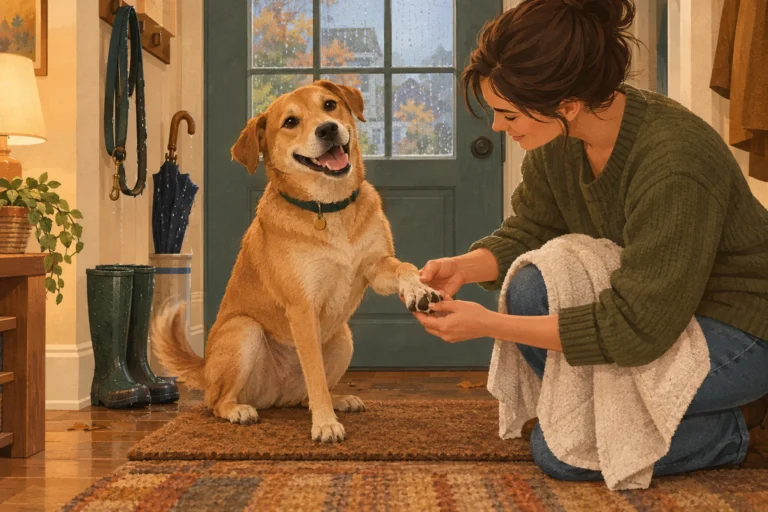
- Dry a wet dog. The ASPCA advises towel-drying pets as soon as they come in.
- Wrap, don’t roast. For a dog that’s just chilly, a blanket and a warm room are enough. The AKC describes blankets as the approach for mild cases.
- Shorten the next walk. Two short walks are easier on a cold-sensitive dog than one long one.
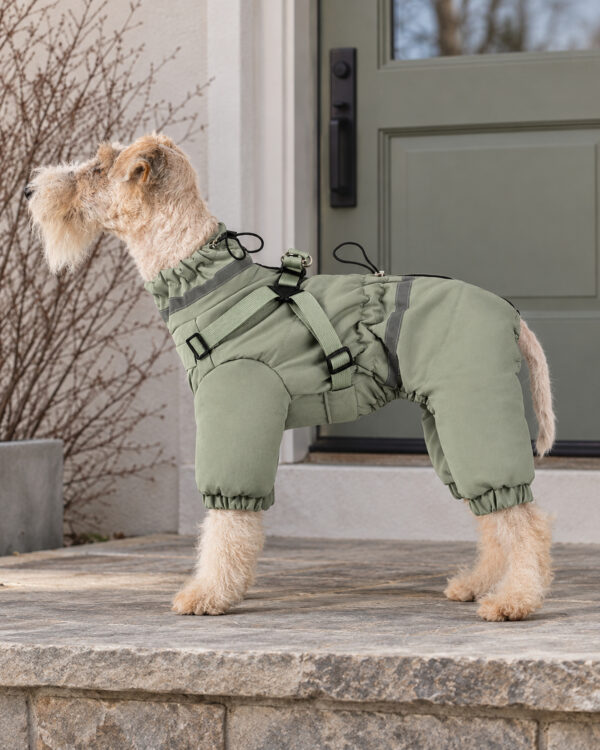
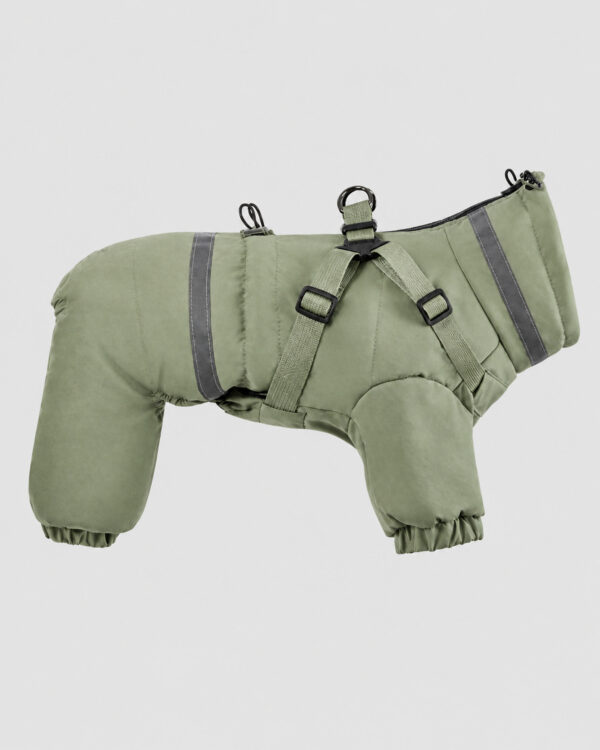
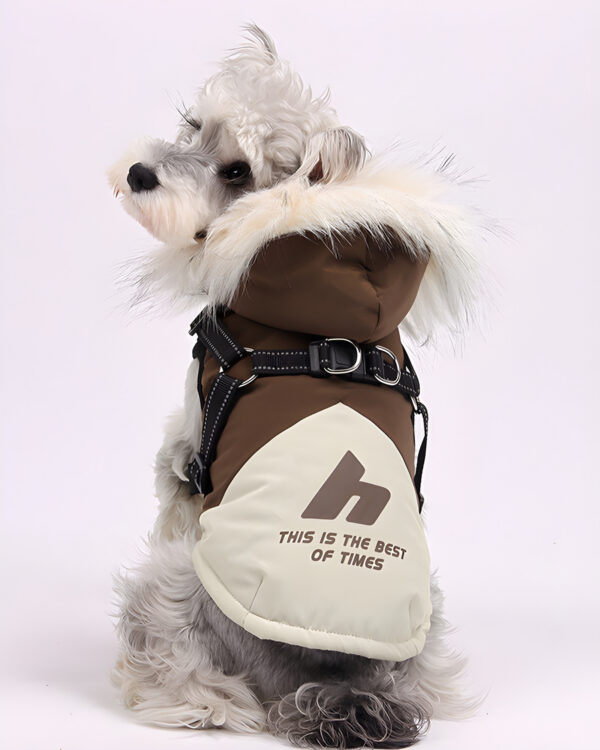
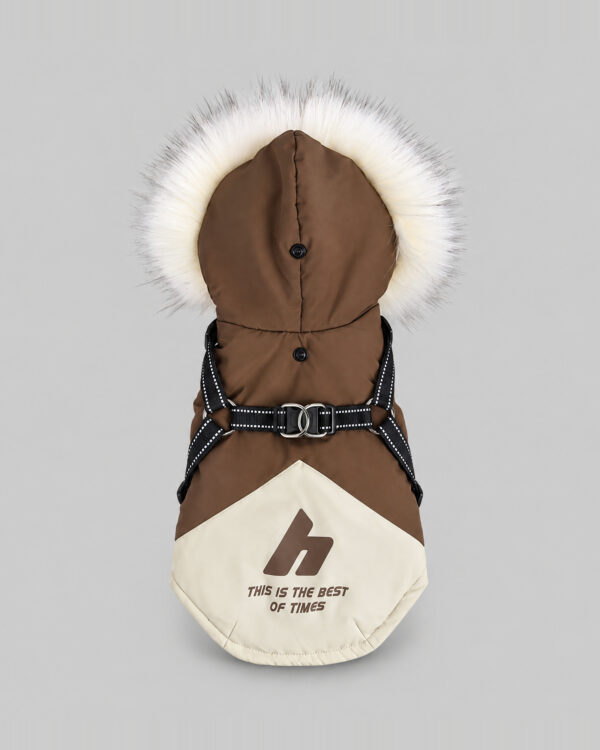
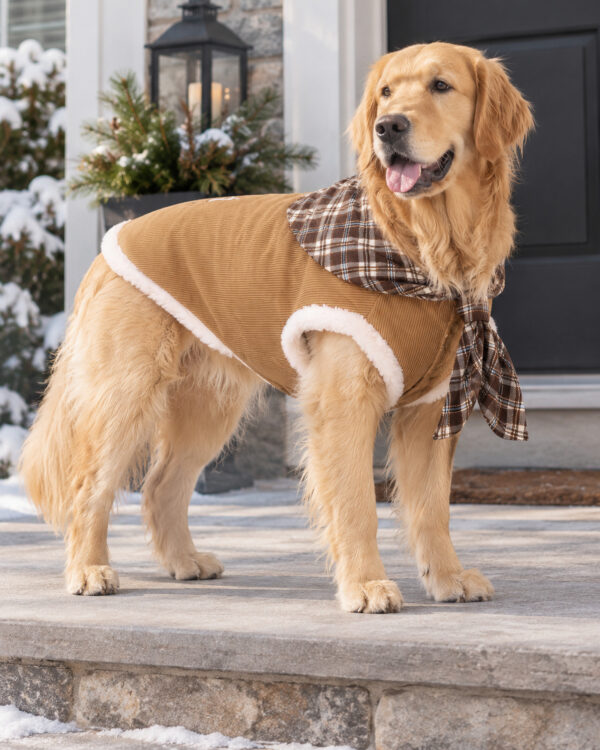
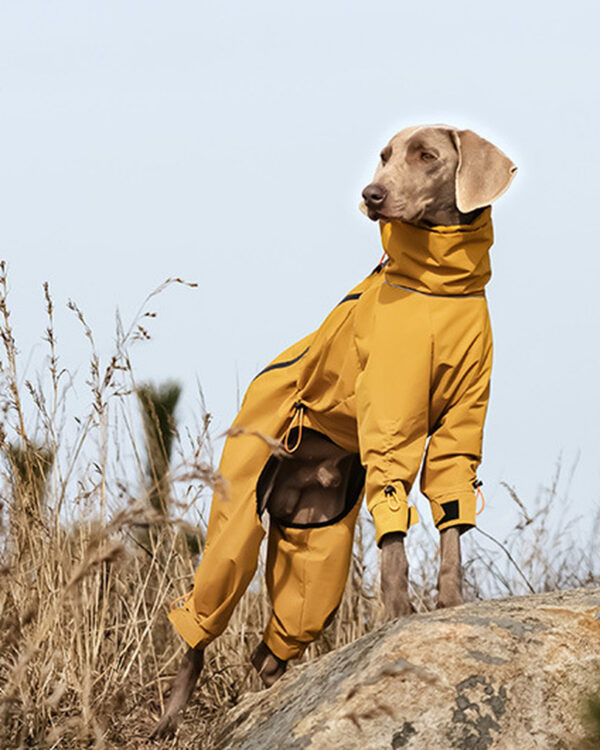
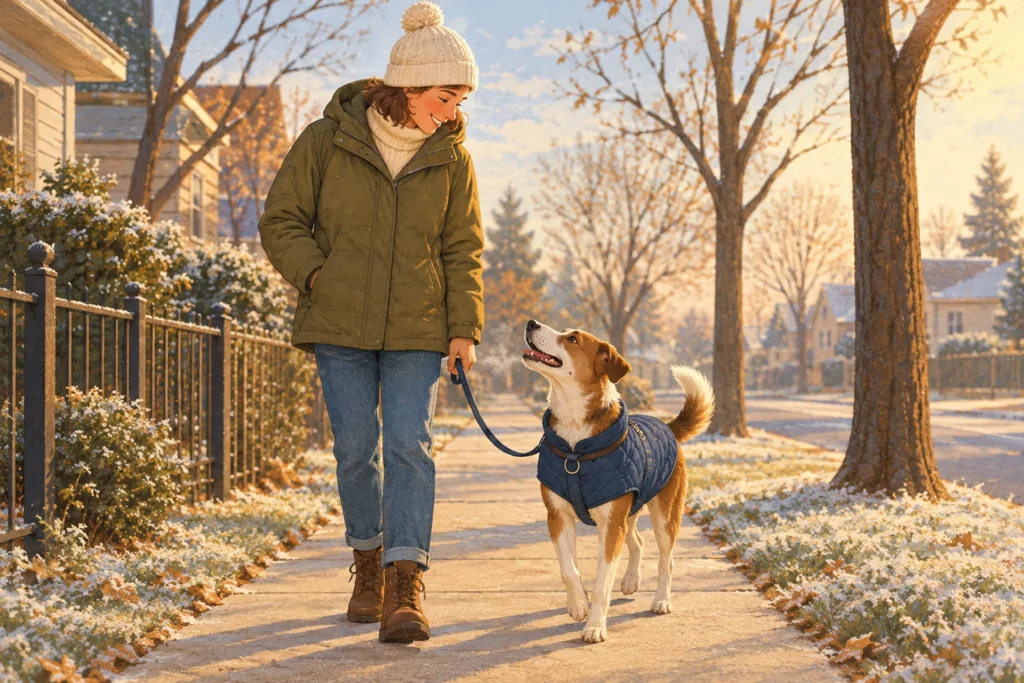
- Consider a layer for dogs that keep showing the signs. The ASPCA suggests a coat or sweater with a high collar or turtleneck for short-haired dogs. Small, thin-coated and older dogs are the ones Cornell and the AKC single out.
- Call your vet if the signs are serious or don’t make sense. Weakness, confusion, slow or shallow breathing, collapse, pale or blue-white skin, or shaking with no obvious cause.
When it’s a vet call, not a coat question
Merck’s guidance is that pets showing hypothermia signs should be seen by a veterinarian immediately. The AKC likewise says to move the dog somewhere warm and contact your vet right away. Call if you see:
- Weakness, confusion, stumbling or collapse
- Slow or shallow breathing
- A dog that was shivering and has stopped, and is now dull or unresponsive
- Skin on the ears, paws or tail tips that looks white or blue. Cornell notes those are the spots frostbite most often affects, and that it may take a few days to see how much damage there is
- Shaking indoors in a warm room with no clear reason, or a dog that always seems cold. That can be a health issue rather than a weather one
This is general information to help you decide when to act. It isn’t a diagnosis. What to do next is your vet’s call.
Is my dog cold? FAQ
How do I know if my dog is cold at night?
Look for a dog sleeping curled into a tight ball, burrowing into blankets, moving next to a heater or getting up restless during cold snaps. The ASPCA’s advice is a warm place to sleep, off the floor and away from drafts. That fixes most of it without any clothing.
How can I tell if my dog is cold inside the house?
The same posture signs as at night: tight curling, nesting and seeking out heat. Most indoor chills come from a bed on a cold floor or near a door or window. If your dog shivers in a warm room for no clear reason, talk to your vet, because the AKC lists pain, nausea, low blood sugar and other causes of shaking.
Can I tell by touching my dog’s ears?
Not reliably. None of the vet sources we checked use ear temperature as a test. They point to behaviour instead. Ears are worth checking for a different reason: Cornell lists ears, paws and tail tips as where frostbite most often shows up.
My dog isn’t shivering. Does that mean it’s warm enough?
Usually, but not always. Merck notes that shivering isn’t a reliable hypothermia sign in pets. Weakness, confusion, slow or shallow breathing and lethargy matter more, and they need a vet.
How do I tell if my dog is cold or hot?
A cold dog curls up, hunches and moves toward warmth. A hot dog stretches out on a cool floor and pants. The AKC also lists drooling, bright red gums and skin that feels hot as early overheating signs.
Which dogs get cold most easily?
Cornell lists small dogs, puppies, short- or thin-coated breeds, older or underweight dogs, dogs with medical conditions and dogs not yet used to the cold. The AKC says the same about very young and very old dogs.
Sources
- Cornell University College of Veterinary Medicine, Riney Canine Health Center — Winter safety tips (checked 2026-10-18)
- American Kennel Club — Hypothermia in Dogs: How Cold Is Too Cold? (checked 2026-10-18)
- Merck Veterinary Manual — Keeping Pets Safe During Cold Winter Months (checked 2026-10-18)
- American Kennel Club — Why Is My Dog Shaking? (checked 2026-10-18)
- ASPCA — Cold Weather Safety Tips (checked 2026-10-18)
- American Kennel Club — How to Keep Your Dog Warm in Winter (checked 2026-10-18)
- American Kennel Club — Heat Stroke in Dogs (checked 2026-10-18)
This is general information, not veterinary advice. If your dog shows signs of hypothermia or frostbite, contact your veterinarian.
The dog tells you before the thermometer does.
A lifted paw, a tucked tail, a dog that sits down and looks back toward home: that’s your cue to head in. At night, a tight curl usually means the bed needs moving, not that the dog needs a sweater. And if a cold dog goes quiet, weak or wobbly, call the vet. Don’t wait for it to warm up.