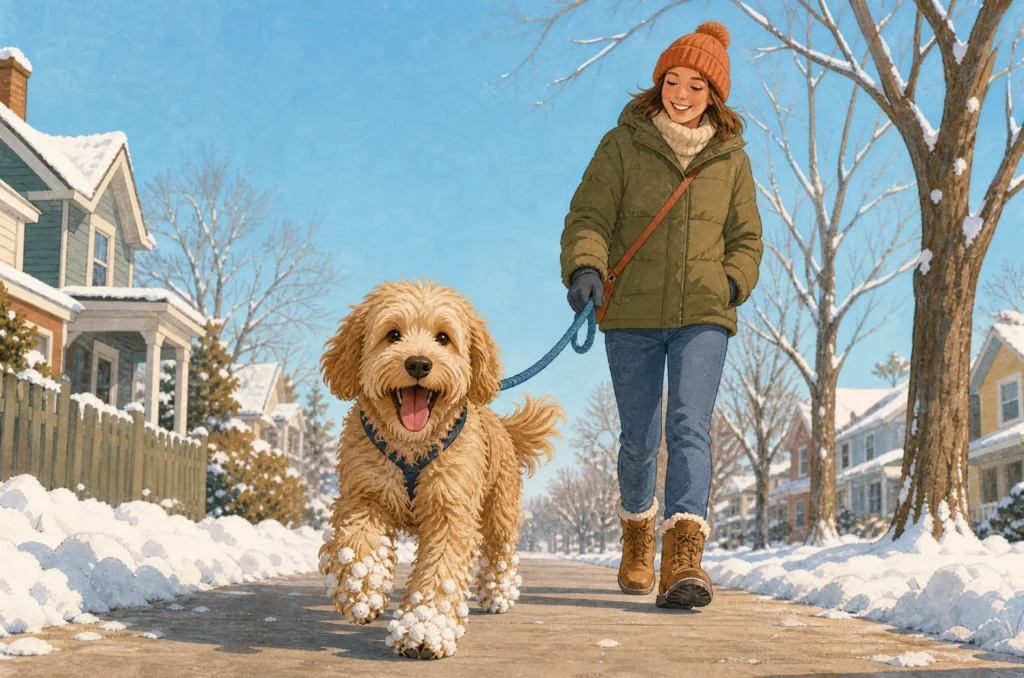
Snowballs form where long hair meets wet snow: between the toes, on feathered legs, and along the belly and chest. To get them off, don’t pull. The American Kennel Club’s advice is to soak a towel in warm water and gently massage the icy pad until the ice melts and loosens. Keep the water warm, not hot.
Prevention is mostly about less hair and more cover. Cornell’s veterinary college recommends shortening the hair between the paw pads to help prevent ice balls. Its winter safety page adds that a jacket that covers most of the body helps stop snowballs building up on the belly and chest. Boots and paw balm fill in the rest. Most dogs need one or two of these, not all of them.
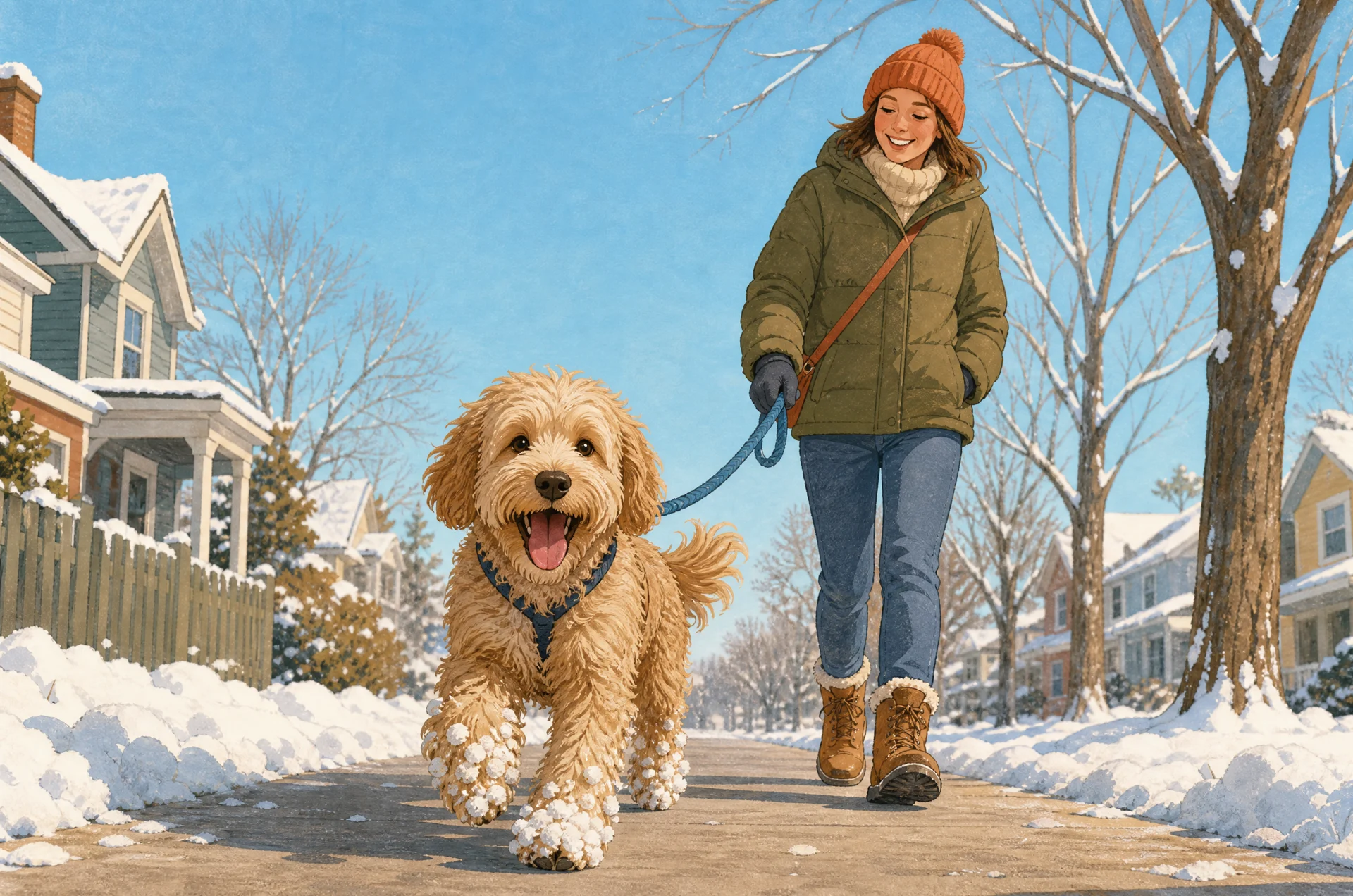
Why some dogs come home wearing snowballs and others don’t
It comes down to hair. Snow sticks to long fur far more than to a short, tight coat, and it sticks best when it is wet and close to freezing. The warmth of the dog’s body softens the snow against the skin, and it freezes again into a harder lump. Every step then packs more snow onto the lump. The AKC puts it plainly: snow quickly turns to balls of ice between the pads, and those balls are uncomfortable and put the dog at risk of hurting itself.
That is why the same walk can leave a smooth-coated Labrador almost clean and a Bernese, a doodle, a spaniel or a long-haired terrier dragging a string of ice beads. Cornell notes that longer-haired dogs may collect ice and snow on their feet and advises checking them regularly while you are still outside. Dogs that are low to the ground get a second problem, because their chest and belly plough through the snow too.
The clumps matter for three reasons. They pull on the skin, so the dog walks awkwardly and often stops to chew at its feet. Ice packed between the toes spreads them apart and can rub. And the snow beside roads isn’t just snow. The ASPCA suggests trimming long-haired dogs to minimize the clinging ice balls, salt crystals and de-icing chemicals. Those are the things a dog swallows when it bites the clumps off.
How to get snowballs off your dog
Pulling or cutting a frozen clump off hurts, because the hair is locked inside the ice, and the scissors are right next to the skin. Melt it instead.
- On the walk, check and squeeze. If your dog starts lifting a paw or stopping to bite at its feet, look between the toes. A small clump held in your gloved or bare hand for a few seconds often softens enough to crumble off. Cornell’s advice to check longer-haired dogs regularly while you are out is really about catching the clumps while they are still small.
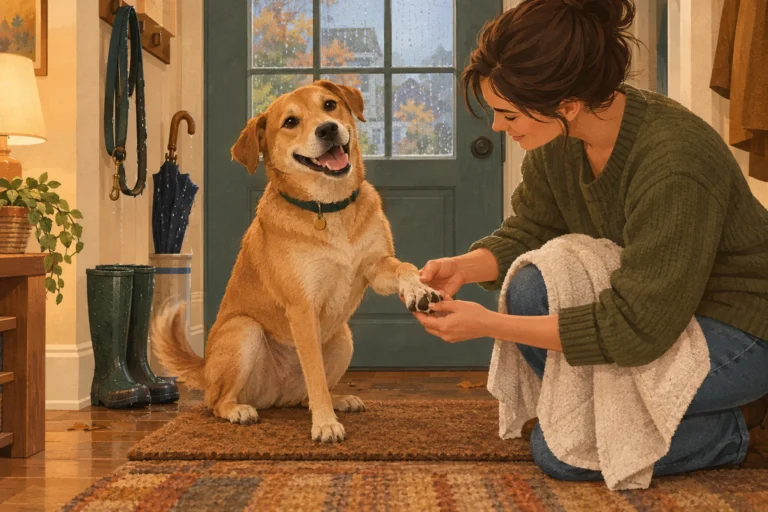
- At home, use a warm, wet cloth. This is the AKC method: soak a towel in warm water and massage the icy pad gently until the ice lets go. Cornell describes the same after-walk routine with a lukewarm washcloth. For big clumps on the legs, a bowl of lukewarm water to dip the foot in works too.
- Warm, never hot. Cold skin can’t judge heat well, and neither can your cold hands. The Merck Veterinary Manual’s first-aid advice for cold-injured skin is to warm it slowly and not to rub it or use very hot water. A hair dryer on high heat held close to a paw has the same problem.
- Then wipe and dry the feet, legs and belly. Snow from sidewalks carries whatever was spread on them. The ASPCA’s advice is to wash and dry your dog’s feet and stomach after each walk to remove ice, salt and chemicals. Merck warns that walkway salt can poison dogs that lick it off their paws. For the full door routine, including what to look for between the toes, see how to clean dog paws after a walk.
- Dry between the toes. Wet hair between the pads is where the next walk’s snowballs start. It is also a place that stays damp for a long time, which we cover in wet dog smell after rain.
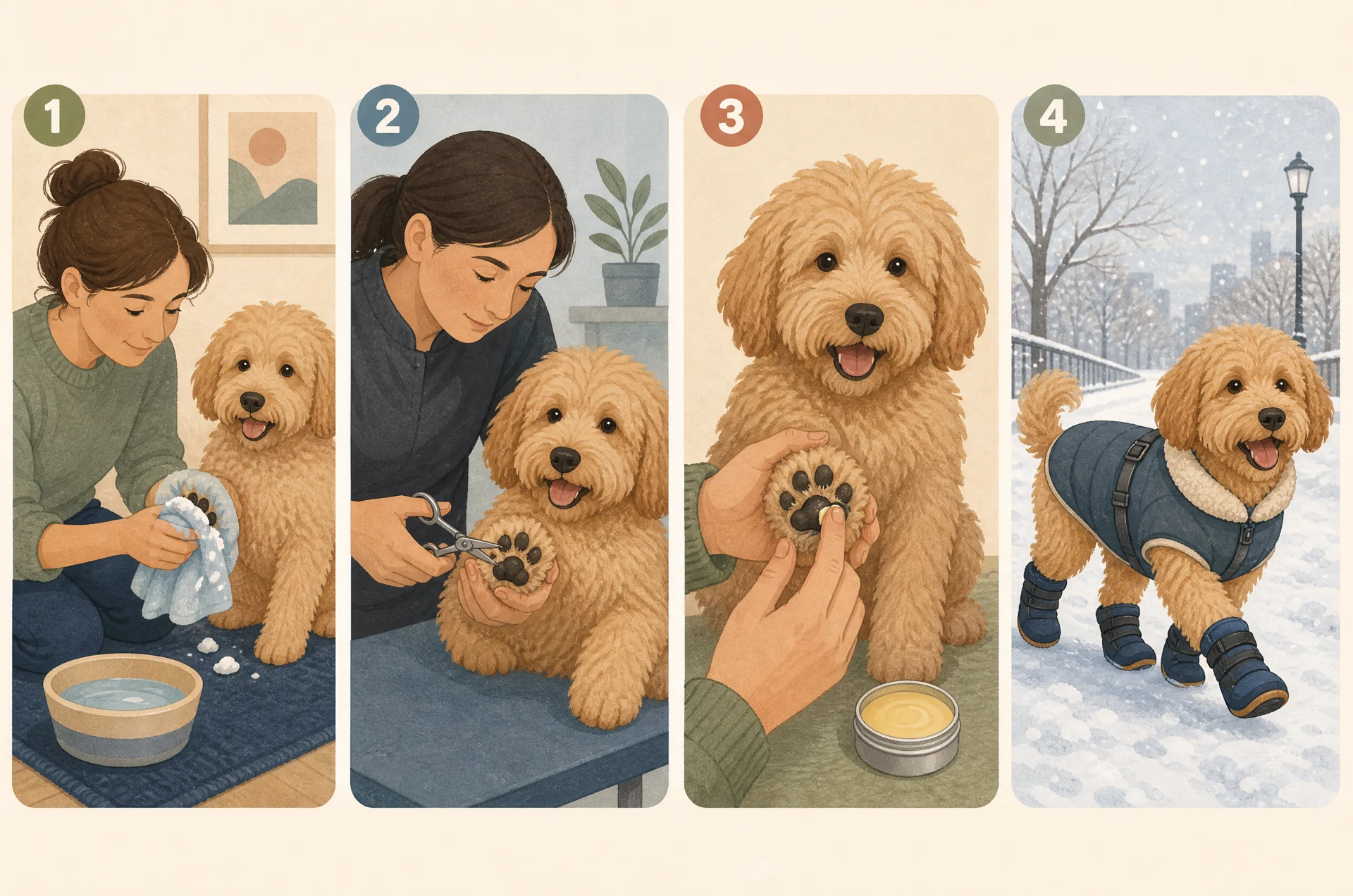
How to stop snowballs forming
Each fix protects one area, so choose by where your dog’s clumps actually build up: between the toes, on the leg feathering, or along the chest and belly.
| Fix | What it protects | The catch | Best for |
|---|---|---|---|
| Trim the hair between the paw pads | The toes, the most painful spot | It needs redoing through the winter. The AKC suggests having a professional do it, because the pads are right there | Any dog with hair growing out past its pads |
| Tidy the leg feathering and hind end | The backs of the front and hind legs | Changes the look of breeds people love for their feathering. Cornell calls it “strategic clipping”, which means a light tidy, not a shave | Setters, spaniels, doodles, long-haired shepherds |
| Paw balm or wax before the walk | Pads, plus some help against salt | It wears off on long walks. It is a barrier for the pads, not a way to keep snow off the hair | Short walks on salted city sidewalks |
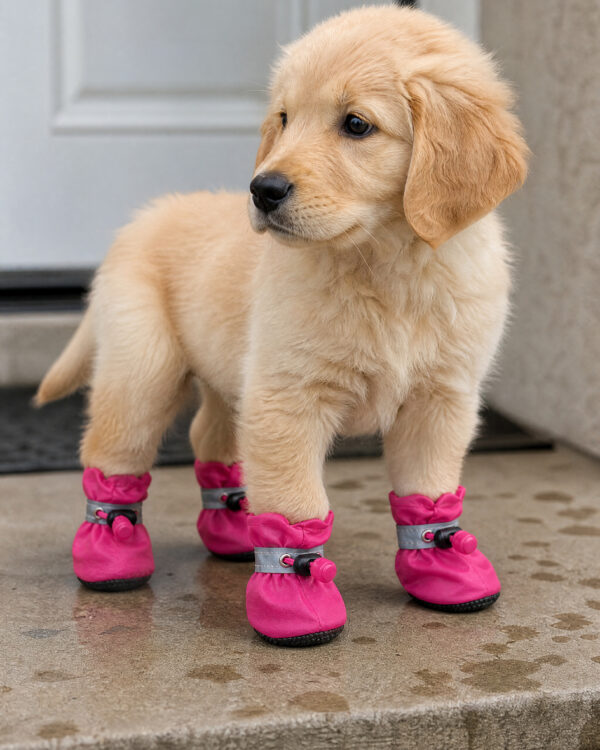
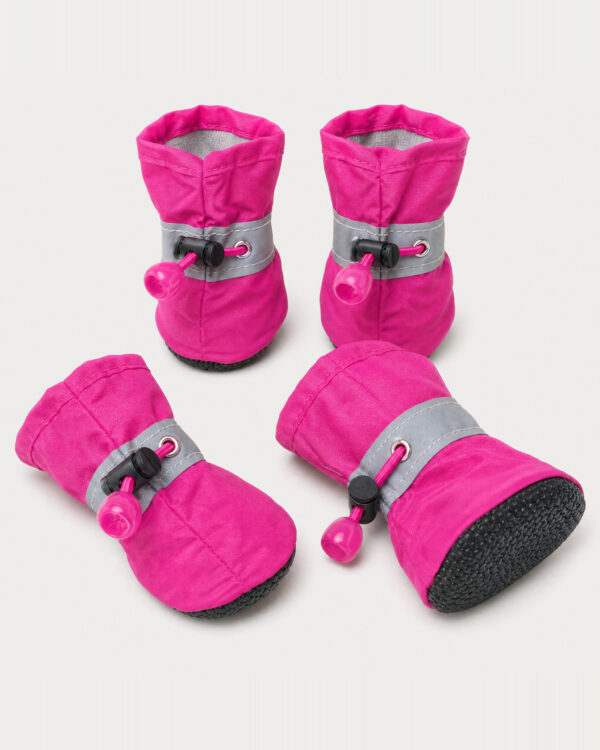
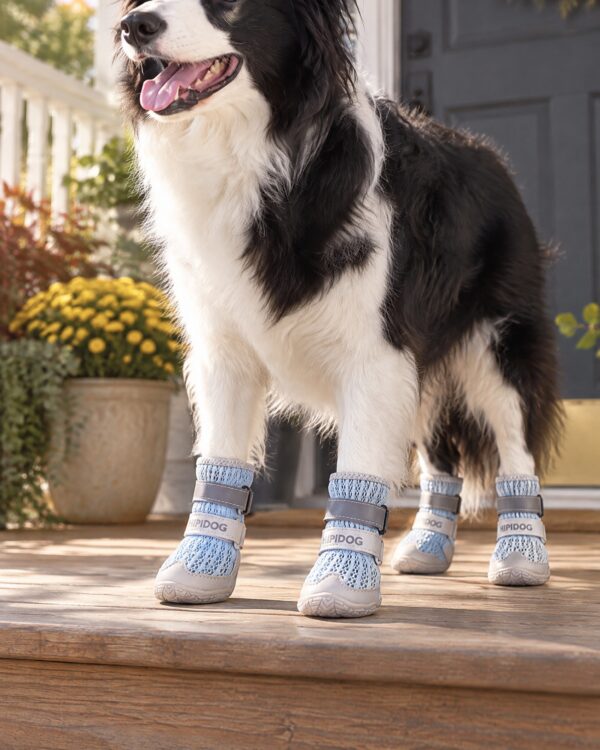
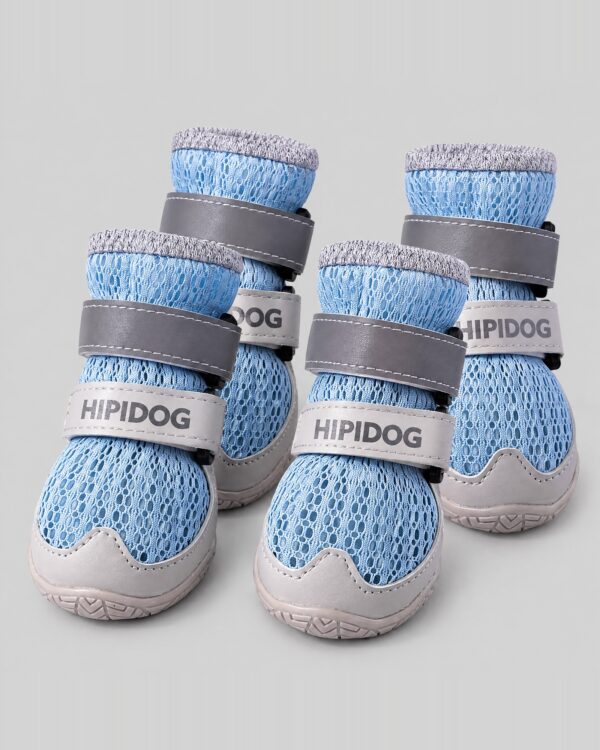
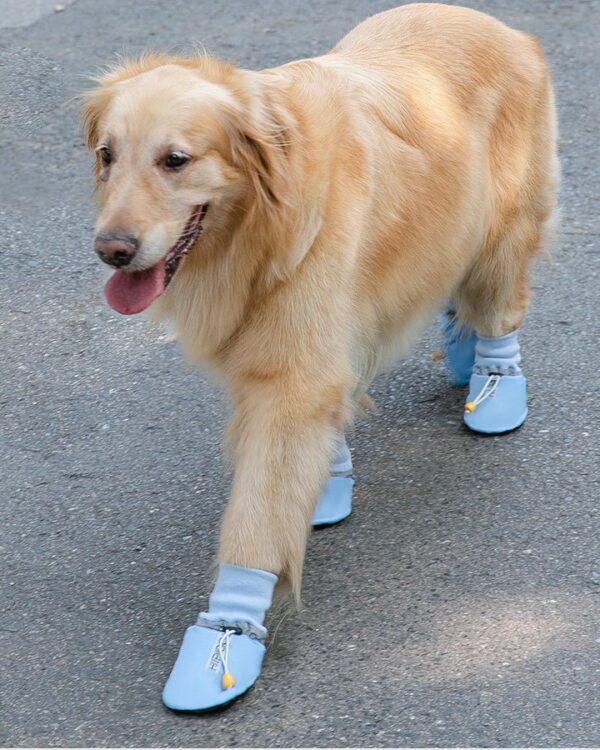
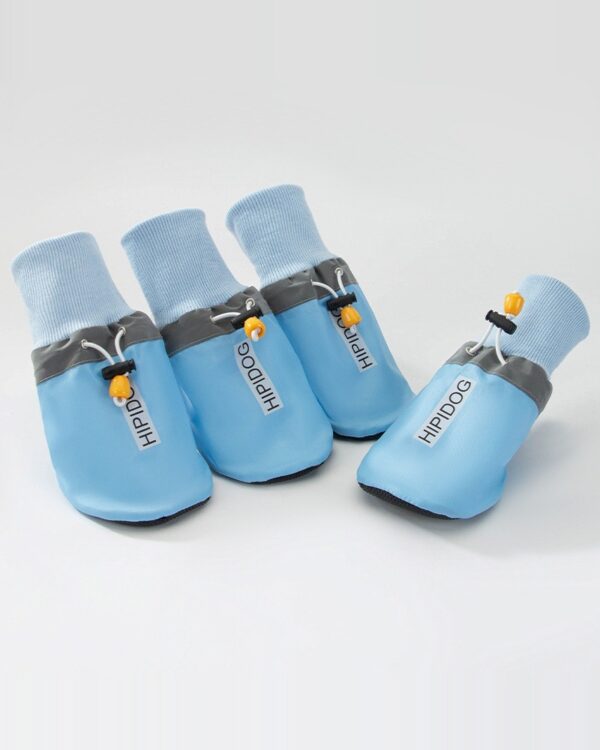
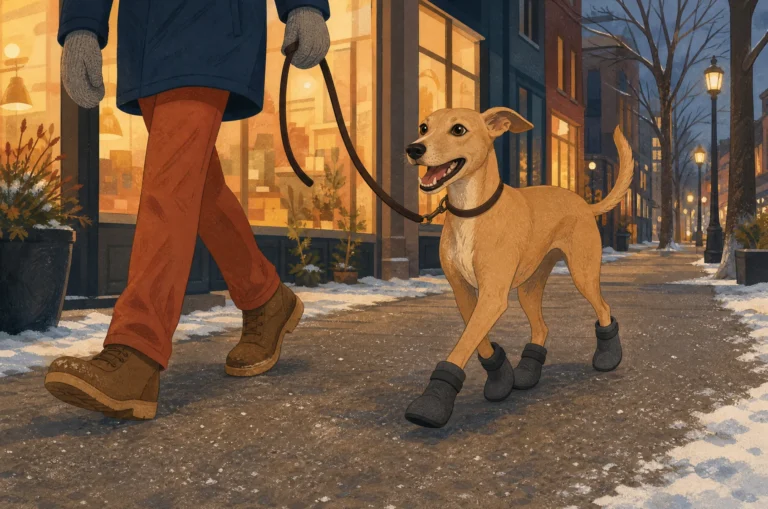
| Boots | The whole foot: toes, pads, salt and ice | Fit is everything, and most dogs need a few days to get used to them | Long walks, deep snow, dogs that keep chewing their feet |
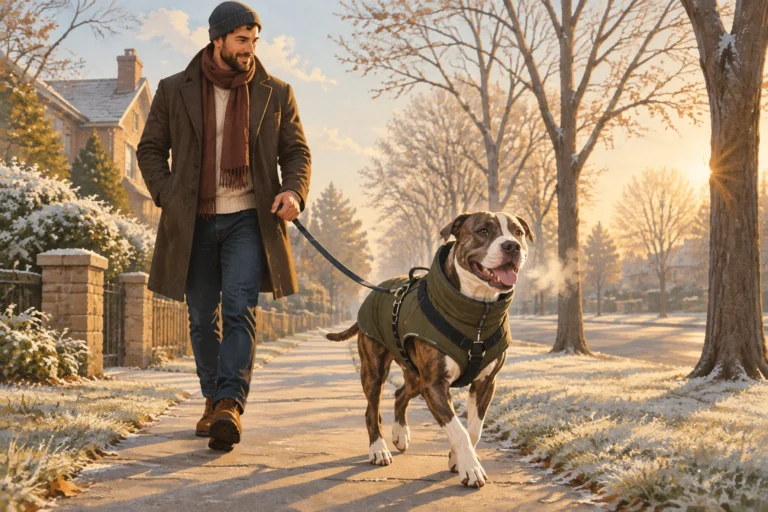
| A coat with chest and belly cover | The chest and belly | A back-only coat does nothing for the underside | Short-legged and low-slung dogs |
| Picking your route | Less salt and grit in whatever does stick | Not always possible in town | Everyone, where there is a choice |
Trimming: the single most useful fix
The AKC, Cornell and the ASPCA all recommend the same first step. The AKC suggests having a professional carefully trim the hair between your dog’s pads. Cornell says shortening that hair helps prevent ice balls from forming between and around the pads. Its winter page adds that a little clipping around the hind end can help too. The ASPCA recommends trimming long-haired dogs for the same reason.
The goal is hair level with the pads, not bare skin. Hair that sticks out past the pads is what catches the snow. If your dog won’t let you near its feet, or you can’t see clearly where hair ends and skin begins, have a groomer do it. A nicked pad in January heals slowly.
Paw balm: a barrier, not a snow shield
Balms and waxes have a real job, but it isn’t really this one. The ASPCA recommends massaging petroleum jelly or another vet-approved paw protectant into the pads before going out, to protect against salt. Cornell’s winter page says balms may help prevent and ease cracked pads. Put it on before the walk and wipe the feet afterwards. If snowballs in the hair are your main problem, trimming does more.
You will also find home tricks online, such as coating the fur in cooking spray. We couldn’t find veterinary guidance supporting them. Whatever you put on a dog’s feet, the dog will lick off later, so we would stick to products made for paws.
Boots: the only fix that covers the whole foot
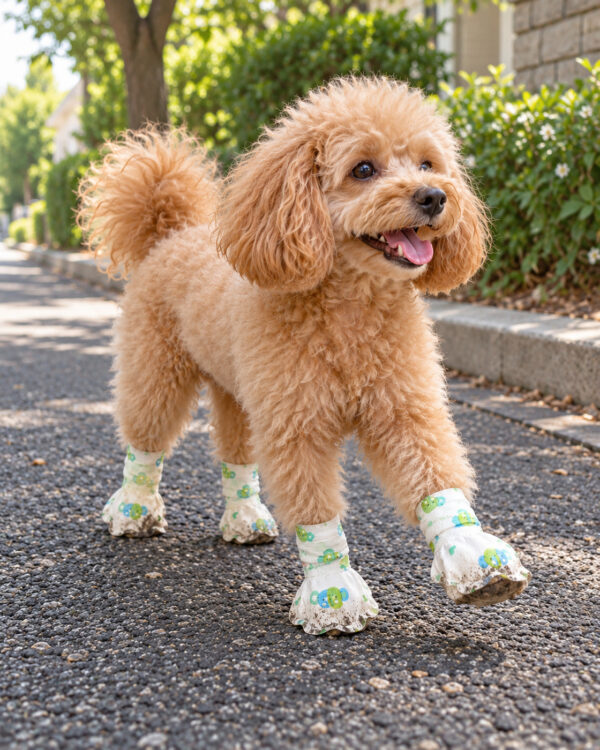
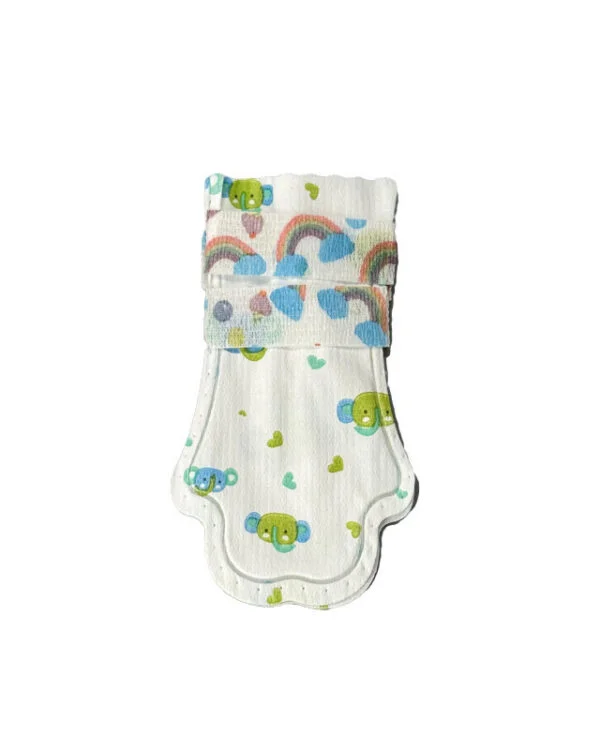
The ASPCA says booties can prevent sand and salt from getting lodged between bare toes. The AKC points out that sled dogs wear boots on the trail for exactly this, to protect their feet from ice and snow. Cornell suggests boots for small and short-haired dogs that will be outside for longer, and says dogs can be trained to wear well-fitting ones.
The catch is “well-fitting”. A boot that twists or slides will come off in deep snow within minutes, often without you noticing. Fit is a matter of the ankle opening, not the size on the label. We explain how to get it right in why dog boots keep falling off. And don’t expect a dog to walk normally in boots the first time. Getting it used to them over a few days works much better, and here is how.
Coats: for the chest and belly
Low-slung dogs such as Dachshunds, Corgis, Bassets and Scotties get their worst clumps under the body rather than on the feet. Cornell’s point that jackets covering most of the body help deter snowball build-up on the belly and chest only works if the coat actually reaches there. A coat that covers only the back will keep the top warm while the chest collects snow. Look for a chest panel that comes up between the front legs. For long-bodied dogs, check that the coat reaches far enough along the belly. Our long-body guide explains why standard sizes often don’t.
When the snowball isn’t the real problem
Most snowballs are just a nuisance. A few signs mean something else is going on.
- A cut or scrape on the pad. The AKC notes that icy conditions can cause cuts and scrapes, and your vet can help treat them. Look for blood on the snow or the towel, or a dog that keeps licking one foot after the ice is gone.
- Skin that looks wrong after warming. Merck says frostbite is more likely in wet or windy conditions and usually affects the tips of the ears, the feet and the tail. The skin may be pale or red, swollen and painful. Warm it slowly, don’t rub it, and call your vet.
- Vomiting, drooling or a sudden change after a walk on treated roads. Salt and de-icers are the concern here. Cornell advises keeping dogs away from heavily treated roads and sidewalks where you can. Merck points out that antifreeze tastes sweet and only a small amount is dangerous to a dog. If you think your dog has licked or eaten something, call your vet or an animal poison control line right away.
None of this is a diagnosis. It is a guide to when a snowball becomes a vet question.
Snowballs on dogs: FAQ
How do I get snowballs off my dog’s fur?
Melt them rather than pull them. The AKC suggests soaking a towel in warm water and gently massaging the icy area until the ice loosens. Cornell describes wiping paws with a lukewarm washcloth after walks. Keep the water warm, not hot, then dry the fur, especially between the toes.
How do I prevent snowballs on my dog’s paws?
Keep the hair between the paw pads trimmed level with the pads. The AKC, Cornell and the ASPCA all recommend this. For long walks or salted streets, well-fitting boots cover the whole foot. Paw balm protects the pads from salt and cracking but does less to keep snow off the hair.
How do I stop snowballs on my dog’s legs and belly?
For the legs, a light tidy of the feathering helps. Cornell mentions strategic clipping, such as around the hind end. For the belly and chest, Cornell notes that a jacket covering most of the body helps stop snowballs building up there. It has to be a coat with a chest and belly panel, not one that covers only the back.
Are snowballs bad for dogs?
Usually they are just uncomfortable. The AKC notes that ice balls between the pads are uncomfortable and put dogs at risk of hurting themselves. The bigger worry beside roads is what is in the snow. The ASPCA and Merck both warn that de-icers and salt licked off the paws can be harmful, so wipe the feet, legs and belly after winter walks.
Can I use a hair dryer to melt snowballs?
Only on a low, warm setting held well away from the skin. Cold skin can’t judge heat well, and Merck’s first-aid advice for cold-injured skin is to warm it slowly, without rubbing or very hot water. A warm, wet cloth is gentler and quicker for paws.
Should I shave my dog’s feet for winter?
No. Trim the hair between the pads so it is level with them. That is what the AKC, Cornell and the ASPCA recommend, and it is enough to stop most toe snowballs. If you can’t see clearly where the hair ends and the pad begins, ask a groomer.
Sources
- American Kennel Club — How to Clean and Care for Your Dog’s Paws (checked 2026-09-30). Snow quickly turns to balls of ice between the pads, which are uncomfortable and put dogs at risk of harming themselves. Remove them with a towel soaked in warm water, massaged gently. A professional can trim the hair between the pads to prevent them. Northern breeds wear boots while mushing. Icy conditions can cause cuts and scrapes. Paw balm or protective wax can help prevent problems.
- Cornell University College of Veterinary Medicine, Riney Canine Health Center — Winter safety tips (checked 2026-09-30). Snowballs between the toes may be uncomfortable. Jackets that cover most of the body deter snowball build-up on the belly and chest. Strategic clipping, such as around the hind end, may help. Balms or petroleum jelly can help with cracked pads. Wipe or wash paws after walks to remove salt, de-icers or snowballs. Dogs can be trained to wear well-fitting booties. Frostbite most commonly affects the ears, paws and tail tips.
- Cornell University College of Veterinary Medicine — Keeping your furry friends safe during winter weather (checked 2026-09-30). Longer-haired dogs may collect ice and snow on their feet, so check them regularly while outside. Shorten the hair between the pads to help prevent ice balls. Apply paw balm before walks and wipe the paws with a lukewarm washcloth afterwards. Salt and most de-icers can be toxic, so avoid heavily treated roads. Small and short-haired dogs may need boots for longer periods outside.
- ASPCA — Cold Weather Safety Tips (checked 2026-09-30). Trim long-haired dogs to minimize clinging ice balls, salt crystals and de-icing chemicals. Wash and dry the feet and stomach after each walk. Ice-melt chemicals licked off bare paws are dangerous. Booties can stop sand and salt lodging between the toes. Use petroleum jelly or vet-approved paw protectants before going outside.
- Merck Veterinary Manual — Keeping Pets Safe During Cold Winter Months (checked 2026-09-30). Walkway salt can poison dogs that lick it off their paws, so wipe paws after walks. Frostbite is more likely in wet or windy conditions and affects the ear tips, feet and tail; the skin may be pale or red, swollen and painful. Antifreeze is sweet and dangerous in small amounts.
- Merck Veterinary Manual — Emergency Care for Dogs and Cats (checked 2026-09-30). If you suspect frostbite, thaw slowly, and don’t rub the area or apply snow or very hot water.
This page is general care information, not a diagnosis. If a paw is cut, the skin looks pale, red or swollen after warming, or your dog may have eaten salt, de-icer or antifreeze, call your veterinarian.
Melt them off, then stop them where they start.
Use a warm, wet cloth rather than your fingers or scissors, then wipe and dry the feet, legs and belly. Keep the hair between the pads trimmed level with them. Add boots if the walks are long or the streets are salted, and a coat that covers the chest and belly if your dog is built low. Check the clumps early on the walk, while they are still small.