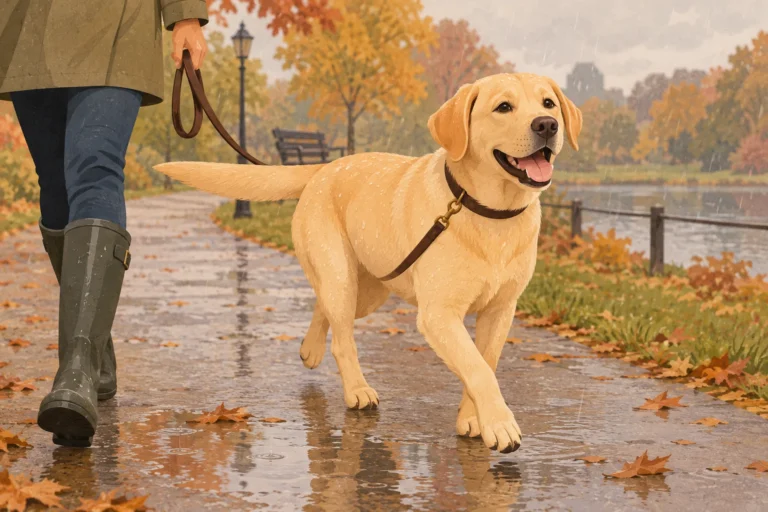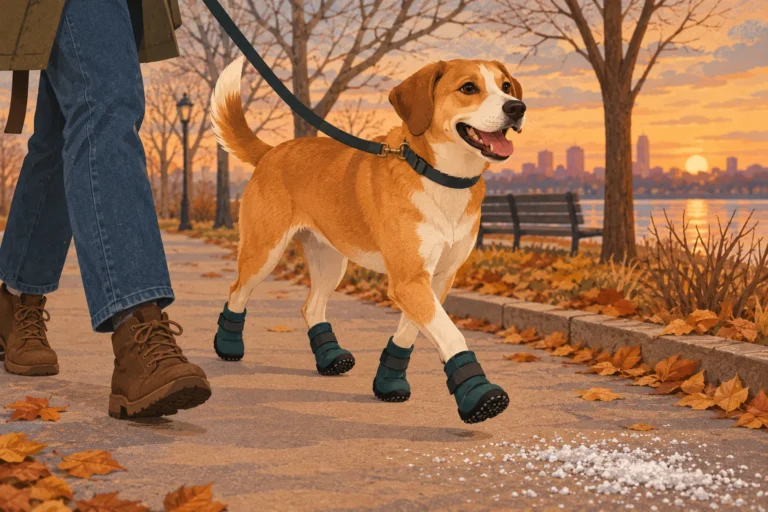
Red skin between the toes is a sign, not a diagnosis. Veterinarians call paw inflammation pododermatitis, and the American Kennel Club’s article with a board-certified veterinary dermatologist describes it as a broad term for inflammation of the paw skin, with allergies among the most common causes. Wet weather fits into that picture as a helper rather than the root cause: the Merck Veterinary Manual notes that the spaces between the toes already carry higher bacterial counts, and that anything turning normally dry skin into moist skin can let bacteria overgrow.
So the honest version is this. A dog that comes in from a rainy walk with slightly pink feet, gets dried off and is back to normal by the evening is very common. Redness that stays, spreads, smells, swells into a bump, makes your dog limp or keeps your dog licking is a reason to see your vet, because the cause has to be found before anything can be treated. This page covers what to look at, what to do after wet walks, and which signs mean a visit. It is general information, and your veterinarian makes the call for your dog.
Why the gaps between the toes get red
The skin between a dog’s toes is warm, folded and out of the air. The Merck Veterinary Manual lists the interdigital areas, the medical name for those gaps, among the skin areas that “often have higher bacterial counts” and are at an increased risk of infection. Its next point is the one that matters on rainy days: any condition that changes the normally dry environment of the skin to a more moist one can set the skin up for bacterial overgrowth.
The AKC’s page on yeast dermatitis says much the same for yeast. It describes yeast as an organism that loves humidity, says hot, humid weather and rainy conditions can trap dirt, moisture and debris, and notes that breeds with tightly packed toes may be more prone to yeast between the feet.
What none of these sources says is that rain causes the problem by itself. Merck says skin infections are usually secondary to something else, such as parasites, allergies or local trauma. Wet feet that never fully dry make it easier for whatever is already going on to get worse.
What the redness can point to
Your vet is the one who sorts these out, often with simple tests. The point of knowing the list is to notice the details your vet will ask about.
| What you might see | What the sources connect it to | Detail worth telling your vet |
|---|---|---|
| Pink or red skin on several paws, lots of licking, reddish-brown fur staining | Allergic disease is a leading cause of pododermatitis (AKC, VCA). VCA notes reddish-brown staining in allergic cases | Whether it comes and goes with seasons, food changes or certain walks |
| Redness with a sour or musty smell, greasy-feeling skin | Yeast, which AKC links to humidity and rainy conditions; allergies are its most common underlying cause | How often the feet stay wet, and for how long |
| A red, raised, painful bump between two toes, sometimes with limping | An interdigital furuncle, an abscess or local infection between the toes (Merck) | Whether it is one bump on one foot, or bumps that keep coming back |
| Redness, swelling or discharge on just one paw | Vets may suspect a foreign body when only one paw is affected (AKC); VCA lists foreign bodies such as a splinter among causes | Where you walked, and when it started |
| Pus or discharge from the sores | Infectious causes, which VCA lists as bacteria, yeast, fungi and parasites | Any medicine or product already used on the paw |
Two of those are worth a little more detail. The Merck Veterinary Manual’s owner page on interdigital furunculosis says the most common cause of these bumps between the toes is a deep bacterial infection, that they are usually painful, and that dogs may be obviously lame on the affected foot. It names Chinese Shar-Peis, Labrador Retrievers and English Bulldogs among the predisposed breeds, and says the most common causes of furuncles that keep coming back are allergic skin disease and demodicosis, a mite condition. Many people call these bumps “interdigital cysts”; the condition your vet is likely to describe is the furuncle.
The one-paw rule is the other. The AKC’s dermatologist says that when only one paw is affected, vets may be especially suspicious of a foreign body. Merck adds that furuncles caused by a foreign object are usually solitary and often on a front foot. If one foot went red after a walk through brush or long grass, say so at the appointment.
Licking keeps it going
Licking is often the first thing owners notice, and it is also part of the problem. The AKC’s pododermatitis article calls persistent licking and chewing of the paws the most common sign, and says the licking further damages the skin barrier and raises the risk of infection. Its separate article on why dogs lick and chew their paws adds that the moisture from constant licking can cause a secondary bacterial or yeast infection.
That gives you a loop: damp feet, itchy skin, licking, wetter feet. Drying after a walk takes care of the rain part. It does nothing about whatever is making the skin itch in the first place, which is why ongoing licking is a vet question, not a towel question.
What to do after a wet walk
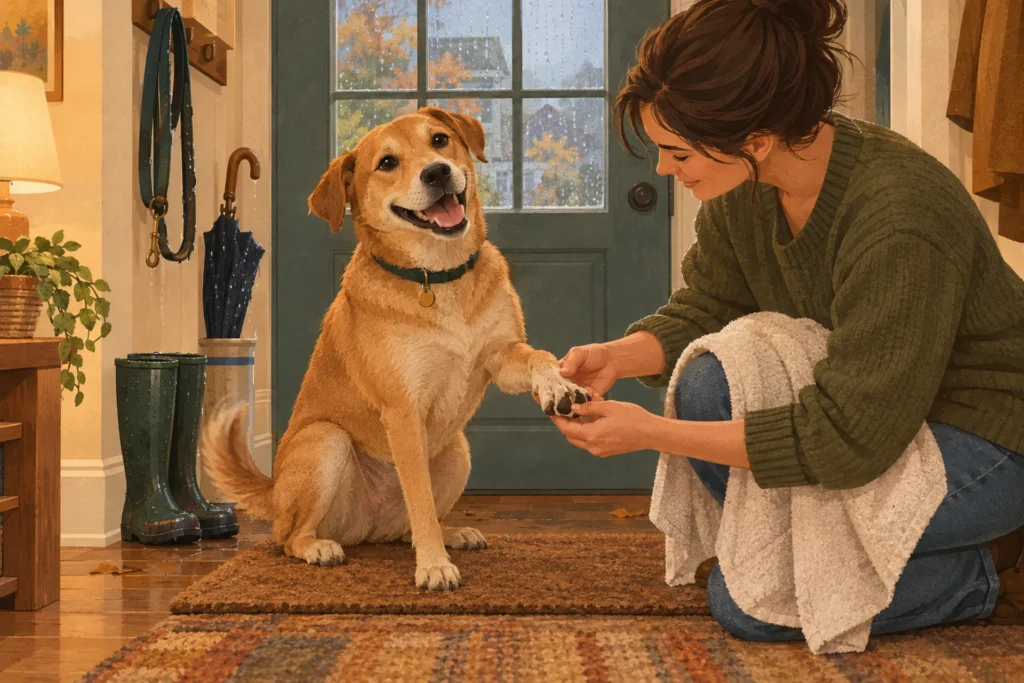
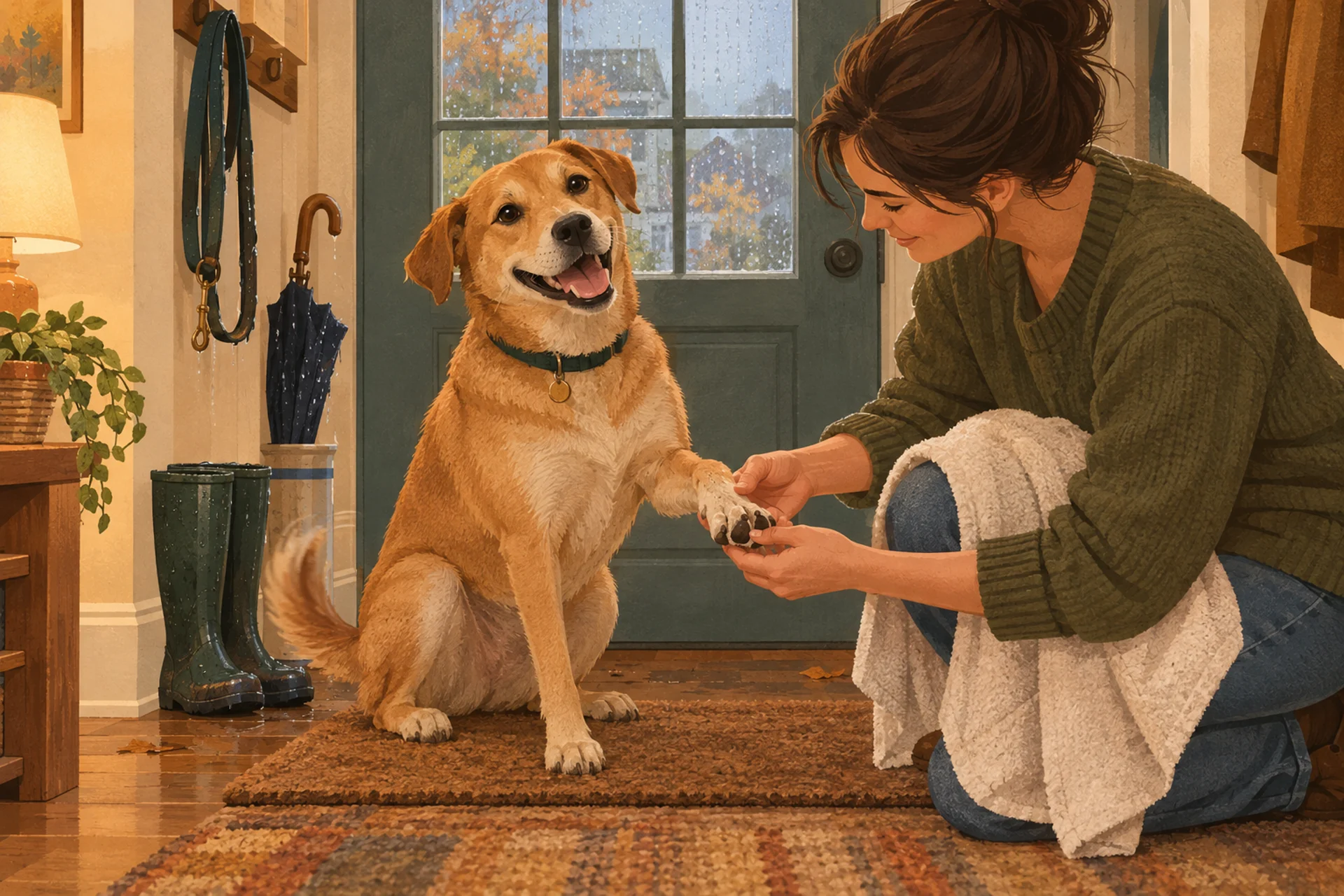
None of this is treatment. It is the routine that keeps the moisture side of the loop small and helps you spot changes early. The AKC’s guide to cleaning dog paws says to gently part the toes as you clean, check for debris and irritation, and dry thoroughly, and the ASPCA’s cold-weather tips say to check for cracks in paw pads or redness between the toes after walks. Our longer guide to cleaning paws after a walk covers the full routine.
- Wipe off mud and grit first. Rinse with plain water if the feet are very dirty.
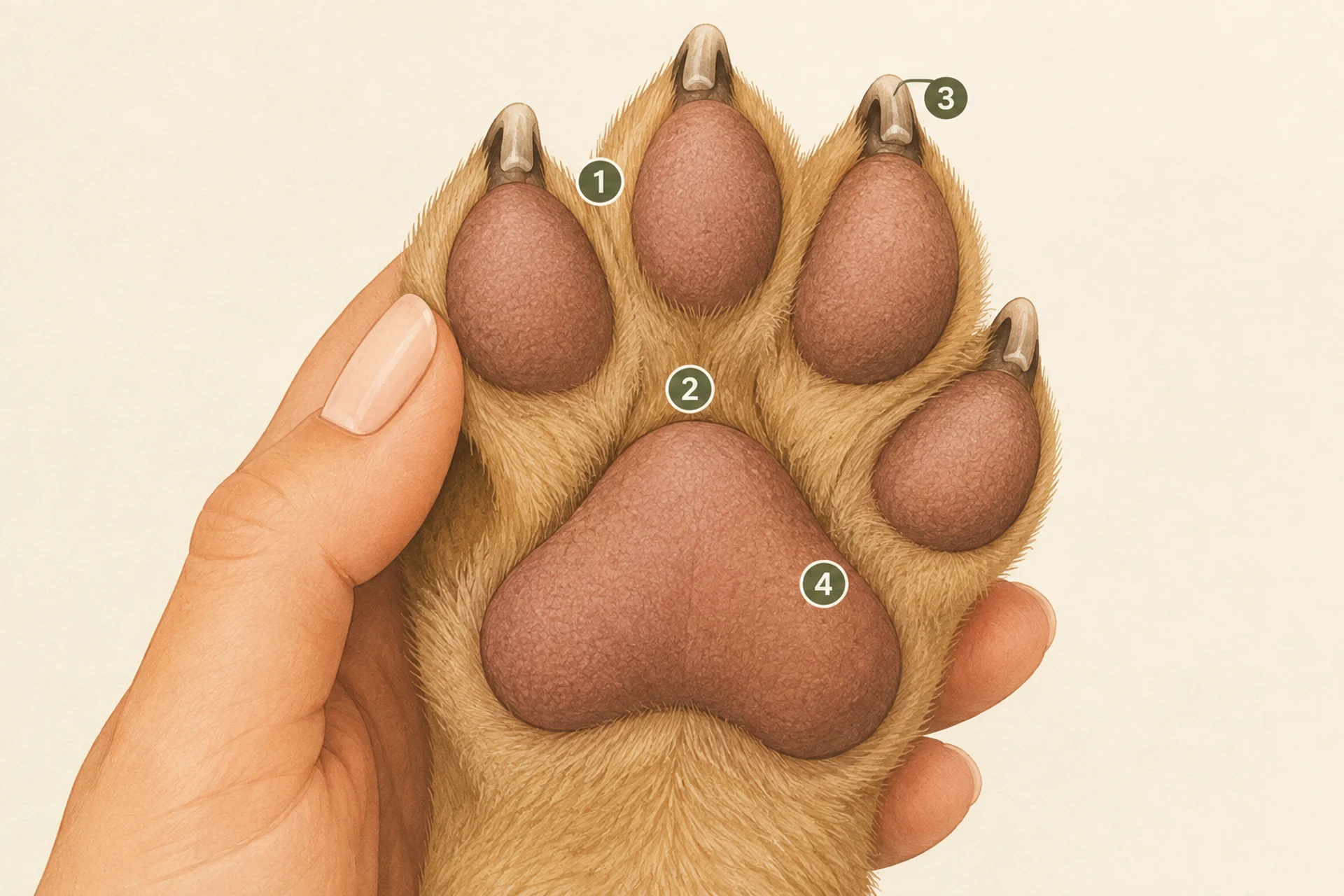
- Spread the toes and dry the gaps. Press a towel between each toe and around the big central pad, not just over the top of the foot.
- Look at the same spots every time. Between the toes, between the pads and around the nail beds. Knowing what normal looks like is how you notice a change.
- Check for anything stuck. The AKC lists a stone, thorn or ice ball between the pads among the things to look for.
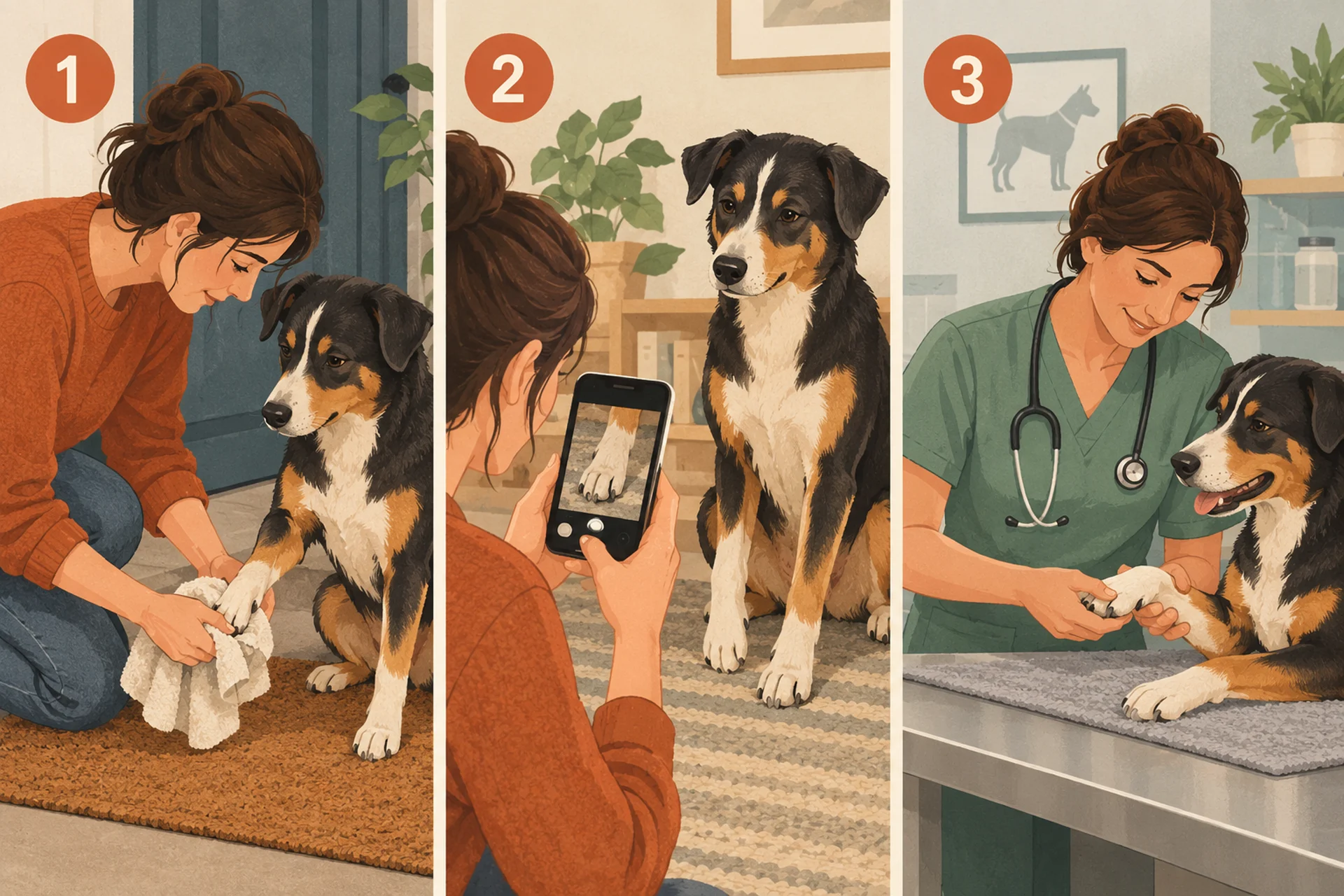
- Note what you see. One paw or several, a bump or flat redness, a smell, licking. A phone photo on day one helps your vet compare.
- Don’t put creams, oils or soaks on red skin without asking your vet. The vet first has to work out the cause.
What about home remedies?
Searches for red toes are full of coconut oil, vinegar and baking soda. None of the veterinary pages we checked recommends any of them for red skin between the toes. All of them say the same thing: the cause has to be found first. VCA describes diagnosis based on history, clinical signs and tests such as skin cytology and scrapings, and the AKC’s dermatologist describes a step-by-step workup that can include hair plucks, scrapings, samples and sometimes allergy testing or food trials. Merck notes that furuncles respond best to a combination of treatment at the site and oral medication, which your vet prescribes.
Putting something on the skin first can also mask what the vet needs to see. If you want to try a product, call the clinic and ask. That is a short call, and it is the right person to ask.
When to see a vet
The AKC article is direct: if your dog starts licking or chewing their paws excessively, contact your veterinarian promptly, because waiting can allow infections and other complications to develop. Book a visit if you see any of these:
- Redness that is still there the next day after the paws have been dried, or that is spreading
- A raised, swollen or painful bump between the toes
- Limping, or your dog pulling the foot away when you touch it
- Discharge, bleeding or a strong smell
- Licking or chewing that won’t stop
- Redness on one paw after a walk through grass or brush, in case something is stuck in there
- The same problem coming back after it seemed to clear
Do boots or a rain suit help?
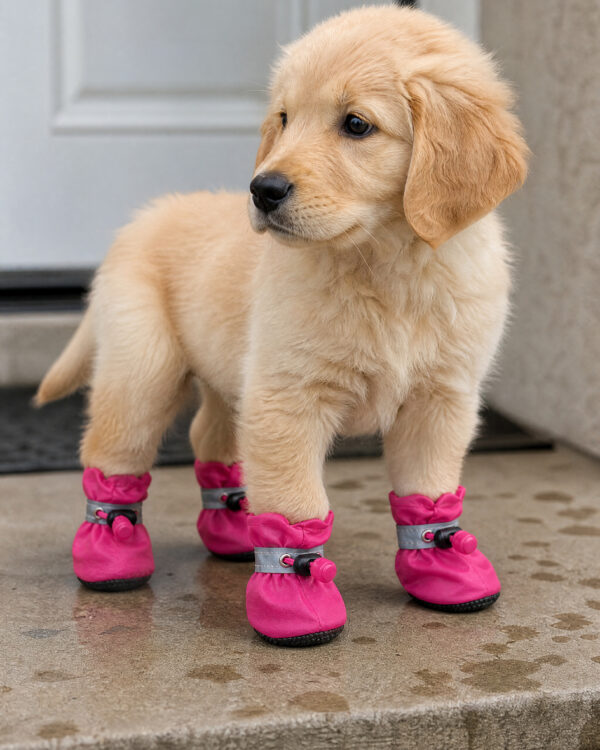
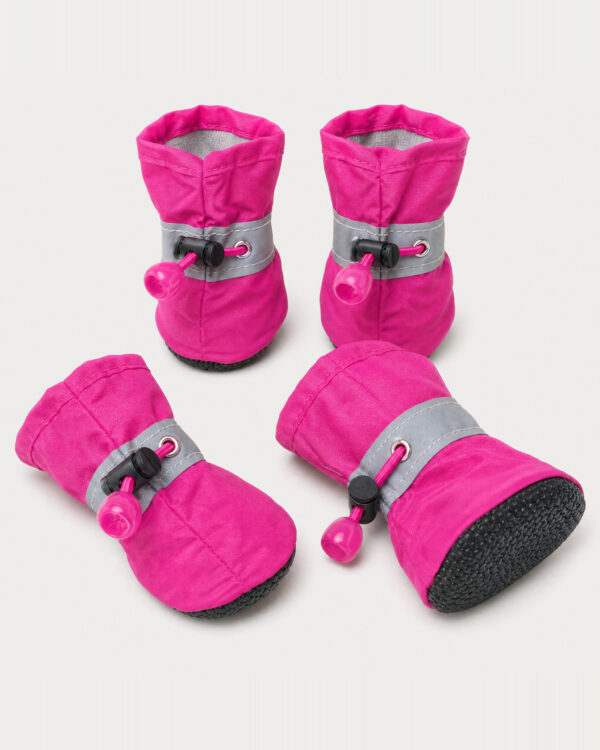
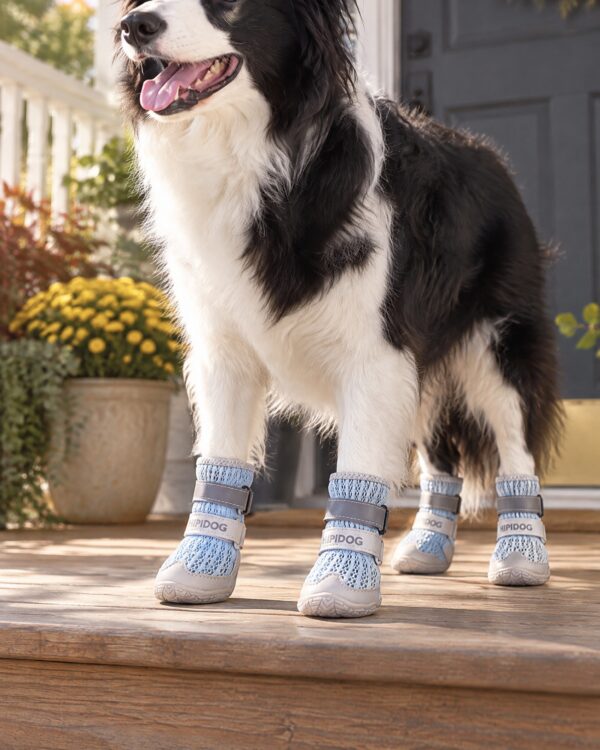
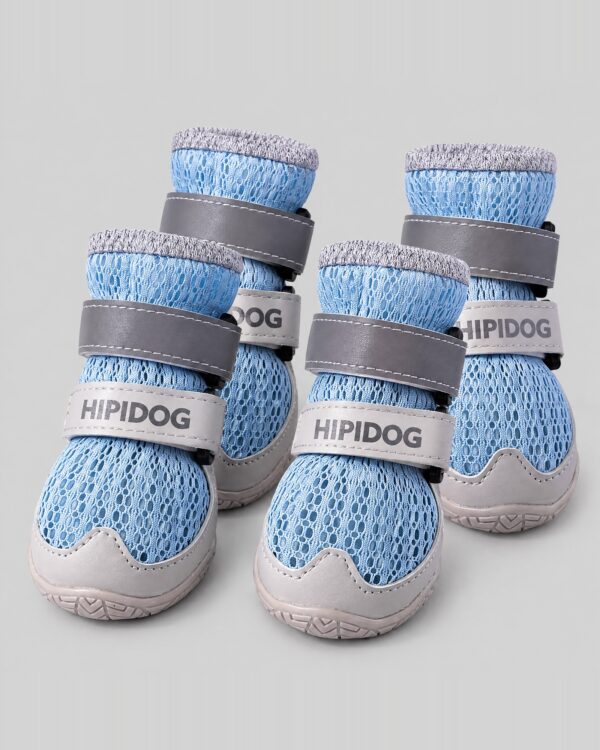
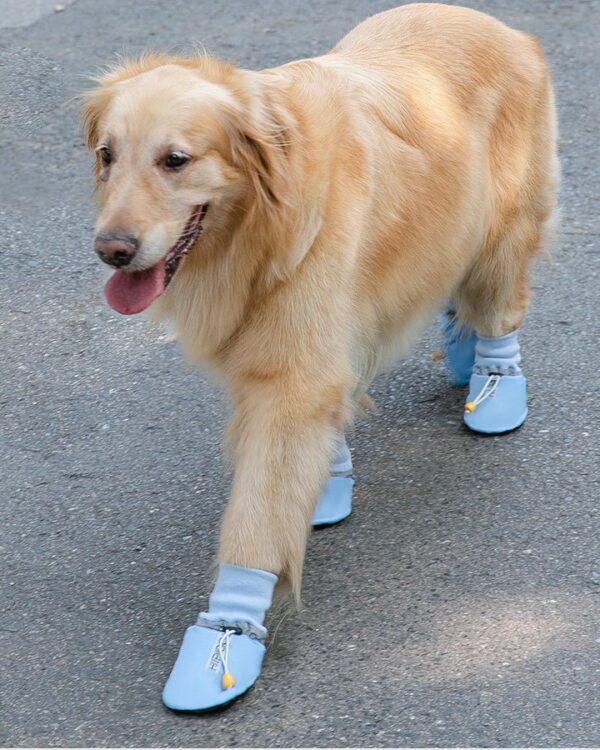
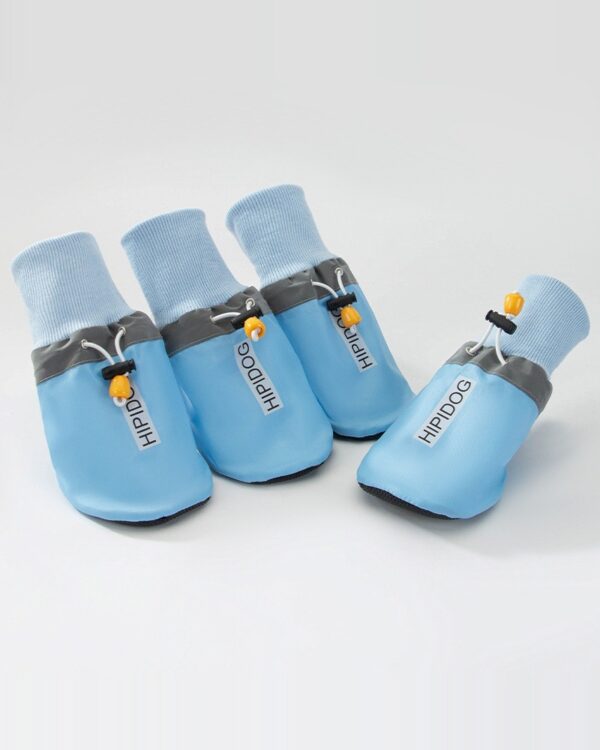
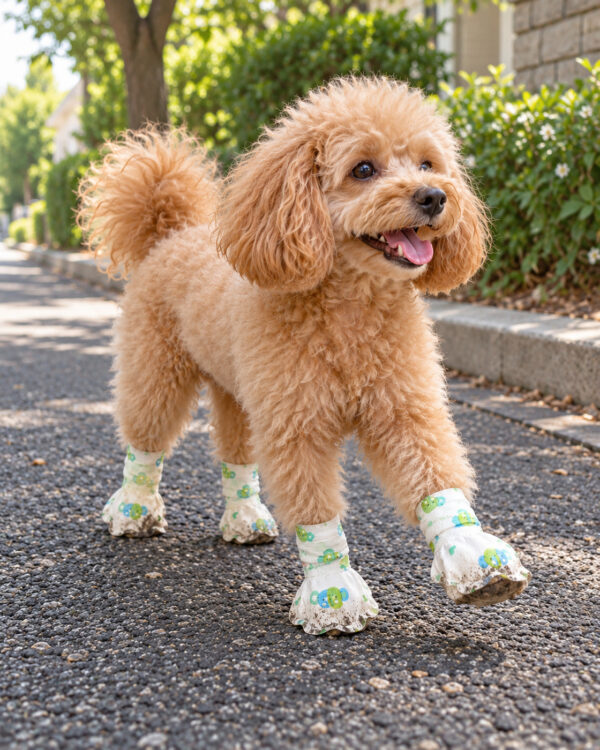
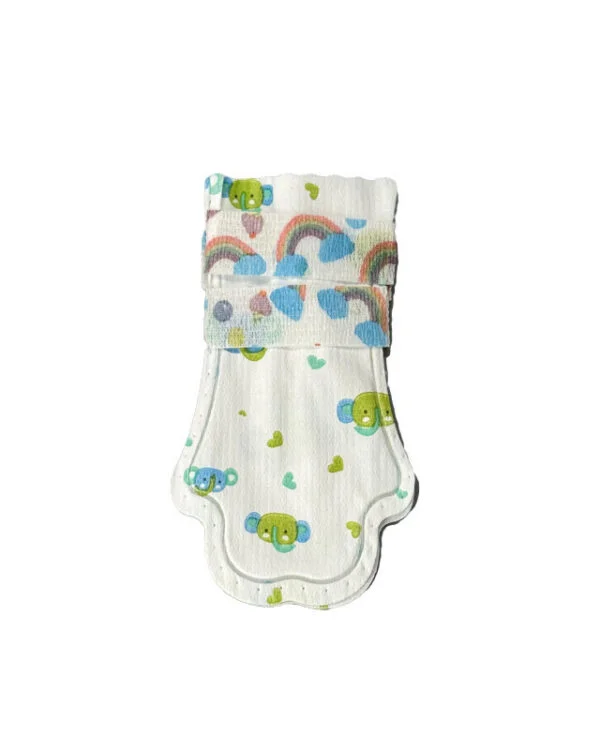
They can reduce how much mud and standing water reaches the feet on a wet walk, which is the part of the problem you can control. They are not a treatment, and they won’t fix an allergy or an infection. Boots also have to come off and the paws still need drying afterward, since a damp foot sealed inside a boot is still a damp foot. Our page on dog rain boots covers when they are worth it. If your dog already has red or sore skin between the toes, ask your vet before putting anything on that foot.
FAQ
Why are my dog’s paws red between the toes?
Red skin between the toes is paw inflammation, which vets call pododermatitis. The AKC lists allergies among the most common causes. Bacteria, yeast, foreign bodies such as splinters or thorns, and parasites can also be involved. Damp feet can make bacteria and yeast more likely to overgrow, but a vet needs to find the underlying cause.
Can walking in the rain cause red paws?
Not by itself. Merck notes that moist skin is more prone to bacterial overgrowth, and the AKC links rainy, humid conditions with yeast. A dog whose feet are dried after walks and look normal later in the day is very common. Redness that lasts or keeps returning points to something else going on.
What is the red bump between my dog’s toes?
A red, raised, painful bump is often an interdigital furuncle, a localized infection between the toes that is often called an interdigital cyst. Merck says the most common cause is a deep bacterial infection, and that a single bump can come from a foreign object. It needs a vet exam.
Can I use coconut oil, vinegar or baking soda?
None of the veterinary sources we checked recommends these for red skin between the toes. They all say the cause has to be found first. Ask your vet before putting anything on the paw.
Why does my dog keep licking between their toes?
Persistent licking is the most common sign of paw inflammation, according to the AKC. It also makes things worse, because the moisture and damage from licking can lead to secondary infection. If the licking doesn’t settle, contact your vet.
Which dogs are more prone to it?
Merck names Chinese Shar-Peis, Labrador Retrievers and English Bulldogs as predisposed to interdigital furuncles, and the AKC says breeds with tightly packed toes may be more prone to yeast between the feet. Dogs with allergies also come up often.
Sources
- American Kennel Club — Pododermatitis in dogs (checked 2026-10-25) — broad term for paw inflammation; allergies among the most common causes; persistent licking is the most common sign; one affected paw raises suspicion of a foreign body; contact your vet promptly.
- American Kennel Club — Yeast dermatitis in dogs (checked 2026-10-25) — yeast loves humidity; rainy conditions trap moisture and debris; tightly packed toes; allergies are the most common cause.
- American Kennel Club — Why does my dog lick and chew their paws? (checked 2026-10-25) — moisture from constant licking can cause secondary infection; check between toes and pads for stones, thorns or ice balls.
- American Kennel Club — How to clean your dog’s paws (checked 2026-10-25) — part the toes, check for debris and irritation, dry thoroughly.
- Merck Veterinary Manual — Abscesses between the toes (interdigital furunculosis) in dogs (checked 2026-10-25) — definition, most common cause, predisposed breeds, signs, causes of recurrence.
- Merck Veterinary Manual — Pyoderma in dogs and cats (checked 2026-10-25) — interdigital areas carry higher bacterial counts; moist skin predisposes to overgrowth; infections are usually secondary.
- ASPCA — Cold weather safety tips (checked 2026-10-25) — wash and dry feet and stomach after each walk; check for cracks in paw pads or redness between the toes.
- VCA Animal Hospitals — Pododermatitis in dogs (checked 2026-10-25) — signs, allergic and infectious causes, foreign bodies, how it is diagnosed.
This article is general information, not veterinary advice. Your veterinarian is the right person to diagnose and treat your dog.