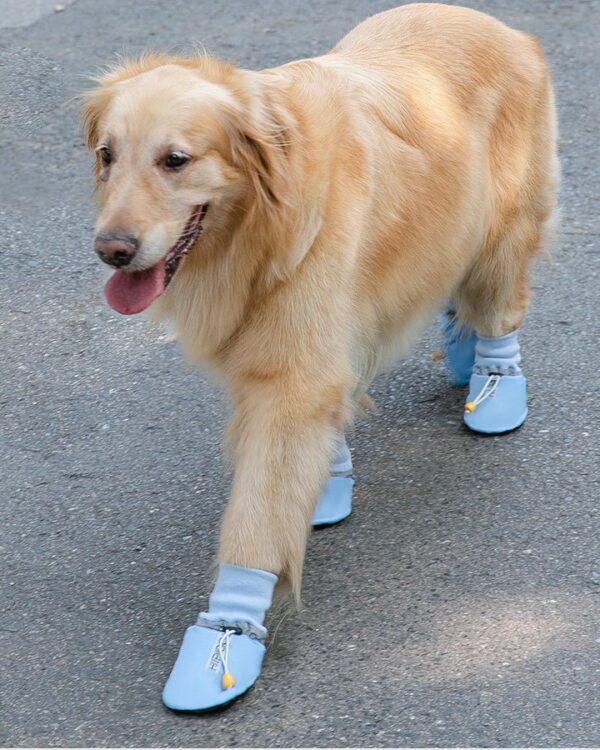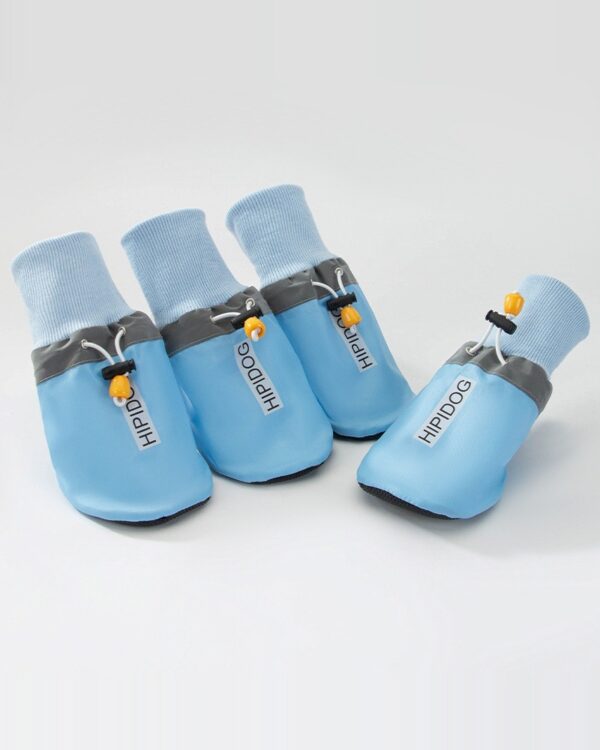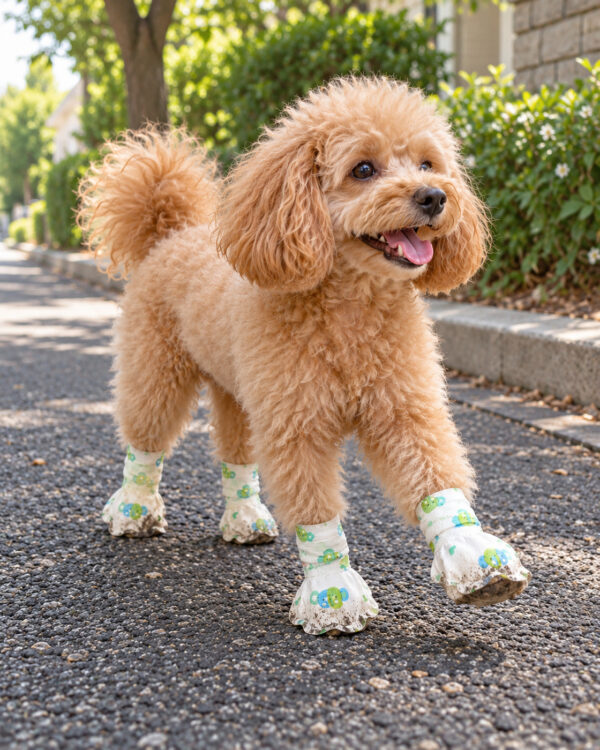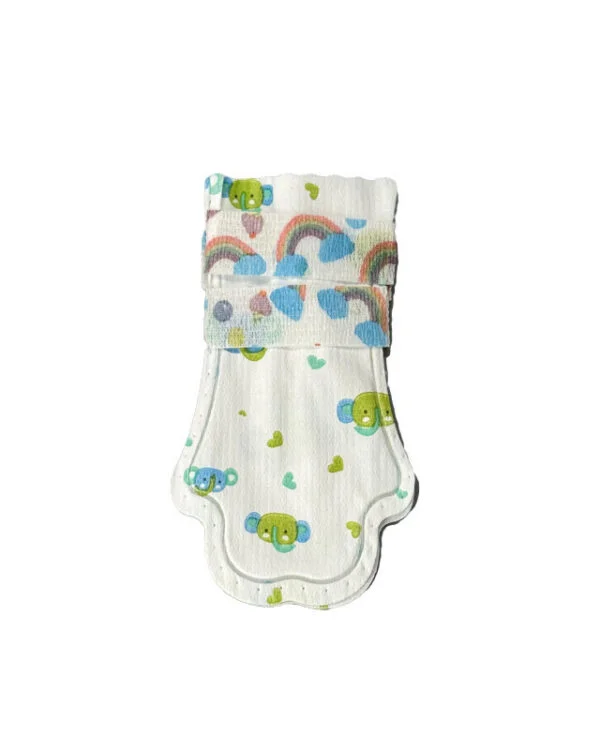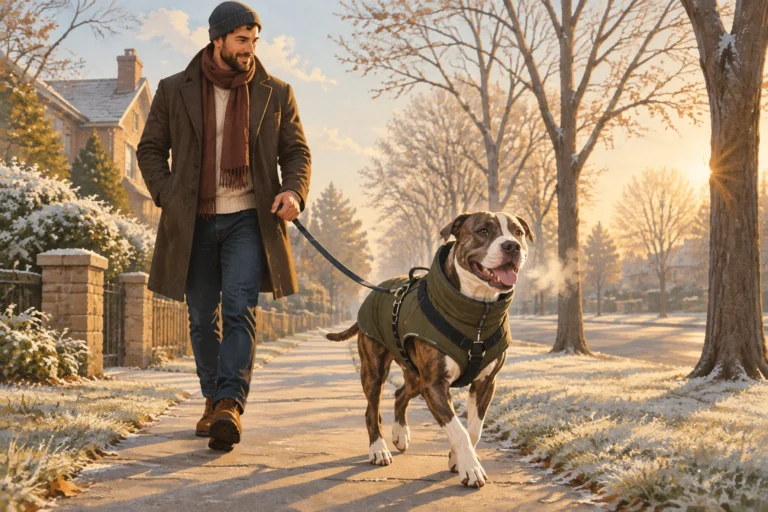
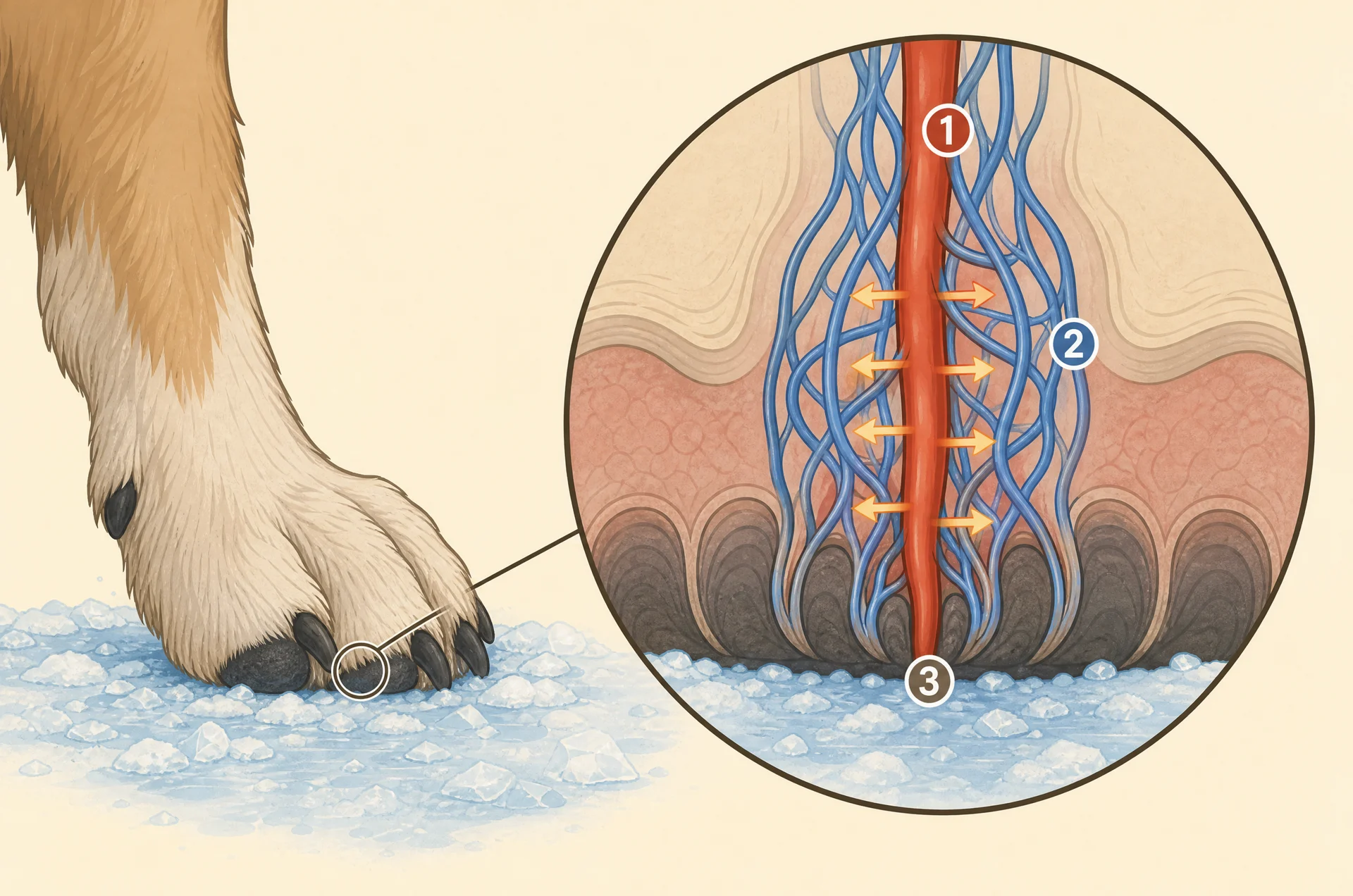
Most healthy dogs don’t need boots just because it’s cold. A dog’s paw pads are built for it: a 2011 anatomy study in Veterinary Dermatology found that the blood vessels in the pad are arranged as a counter-current heat exchanger, which recirculates heat back to the body when the pad touches something cold. A quick trip to the yard or a normal walk on plain snow is usually fine bare-pawed.
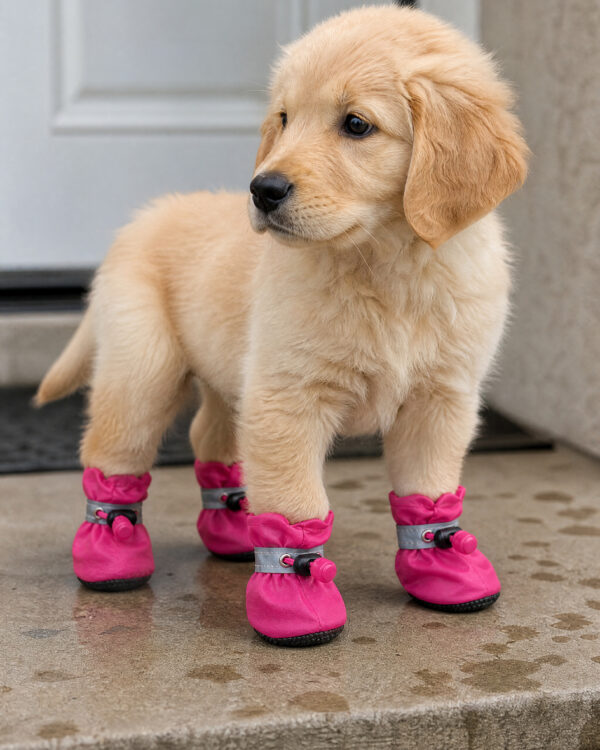
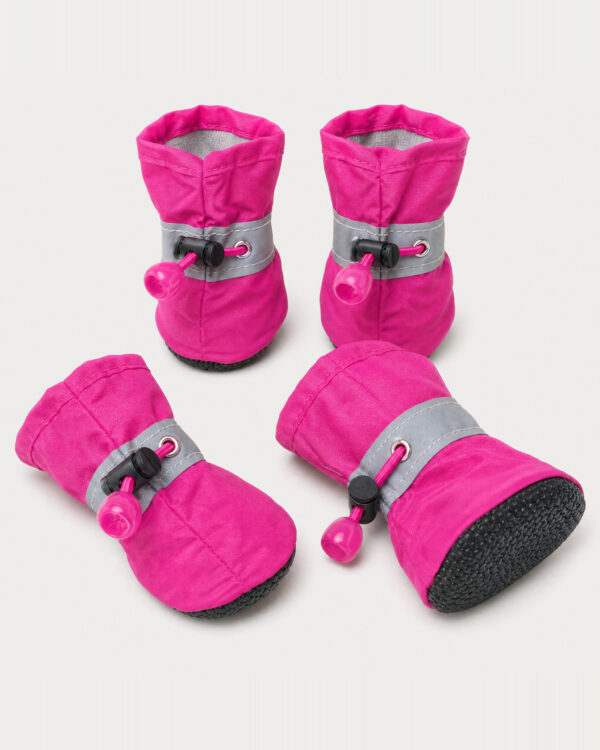
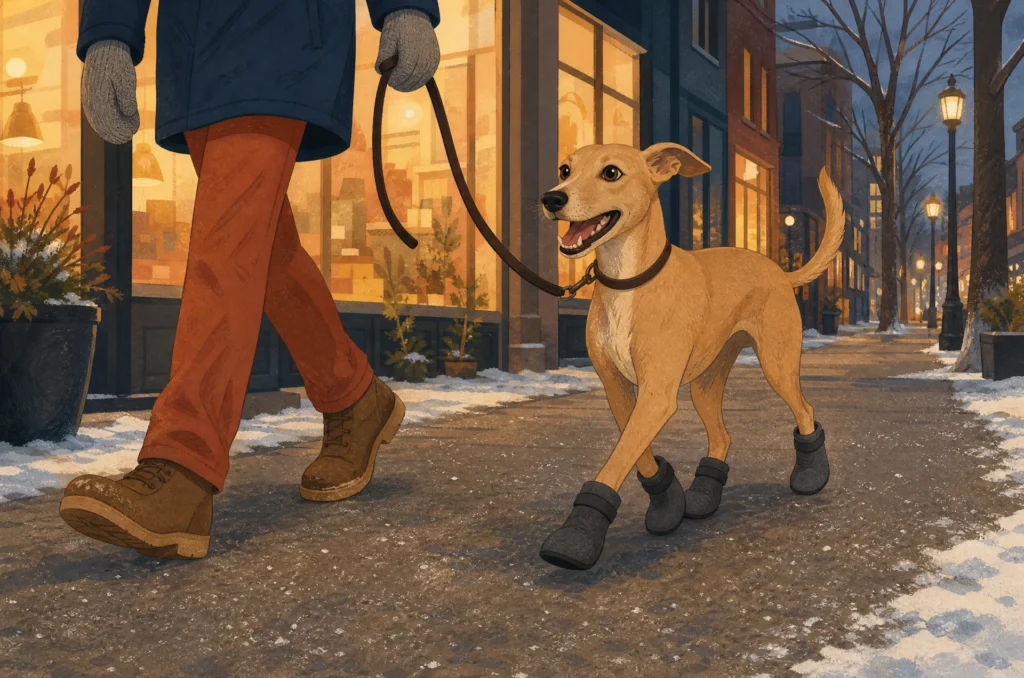
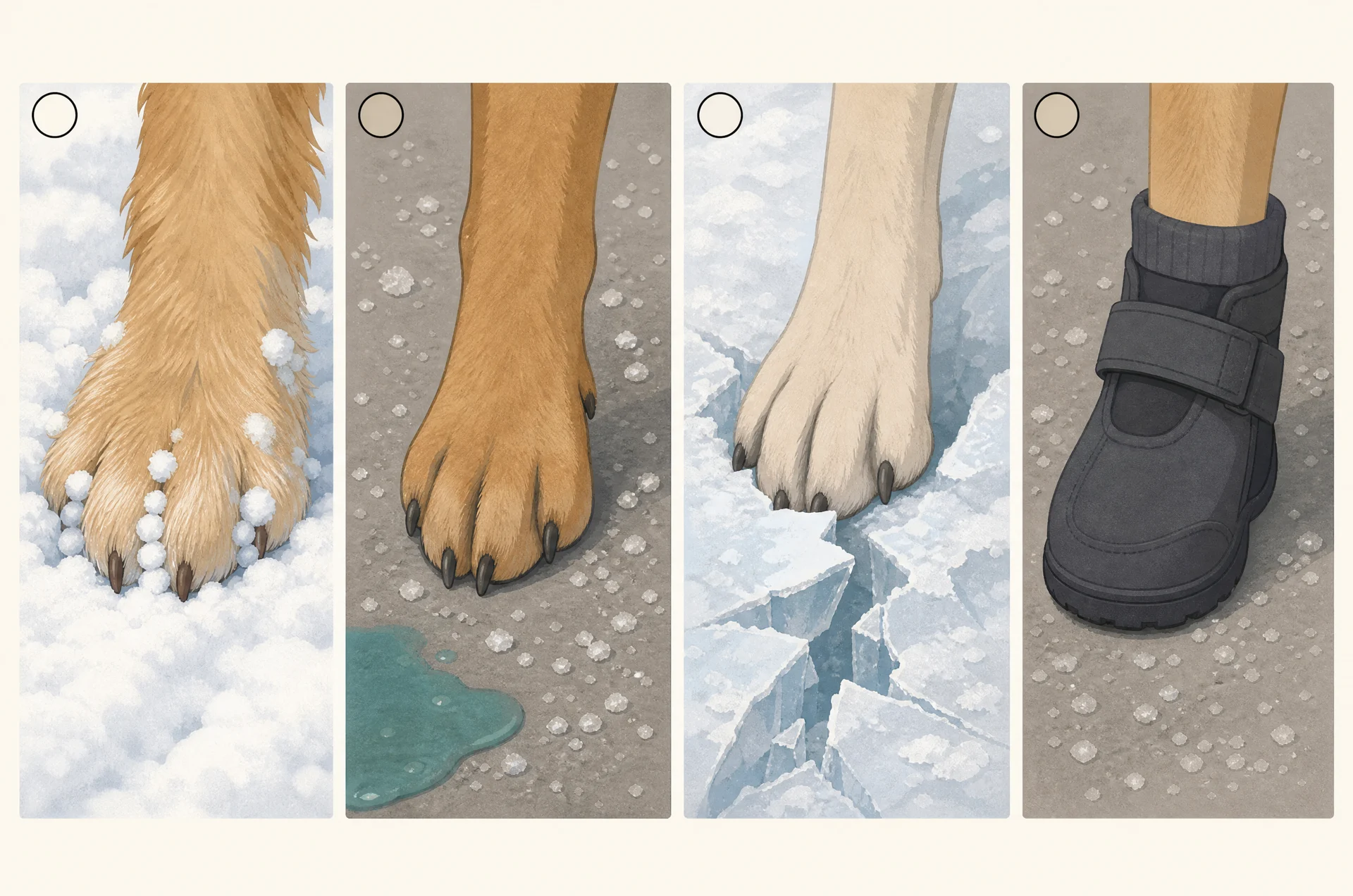
Boots earn their place for the things around the cold rather than the cold itself: salt and de-icers on city sidewalks, snow that packs into ice balls between furry toes, sharp crusted ice, and long outings for the dogs that lose heat fastest. The ASPCA says booties “can also prevent sand and salt from getting lodged between bare toes”, and the AKC’s chief veterinarian lists boots among the things that help minimize frostbite risk, especially for short-coated and older dogs. So the honest answer is: it depends less on the thermometer than on where you walk and which dog you have. (Boots, booties and dog shoes are the same question here; the names are used interchangeably.)
Why the cold alone usually isn’t the reason
People reasonably assume a bare paw on snow must hurt, because a bare human foot would. Dogs are different. In the Ninomiya study, researchers made casts of the footpad vessels in sixteen limbs from four adult dogs. They found the arteries supplying the pad surface wrapped in a network of small veins, forming what they called a vein-artery-vein triad. Warm blood heading down to the pad passes its heat to the cooler blood heading back up, so less heat is lost through the paw. Other vessel structures keep warm blood near the pad surface, and the authors conclude that a suitable footpad temperature “can be maintained in cold environments”.
Two caveats are worth knowing. This was a small anatomical study, not a field trial of how long a dog can stand on ice. And it explains why paws don’t freeze on contact, not why they never get hurt. The paws are still one of the places frostbite shows up most. The AKC names “the paws, ears, and tail” as the most common frostbite sites, and Cornell’s veterinary college says the same of ears, paws and tail tips. Paws handle ordinary cold well. Long exposure, wet feet and wind are a different matter.
When boots actually help
Here is the same question broken down by what’s under your dog’s feet. The left column is what matters; the temperature matters less than you’d think.
| Situation | What goes wrong bare-pawed | Do boots help? | Lighter alternative |
|---|---|---|---|
| Salted sidewalks and roads | Salt and de-icers irritate the pads and get licked off later. Cornell notes that if swallowed they can cause ulceration of the mouth and digestive tract. | Yes, the strongest case. They keep chemicals off the skin and out from between the toes. | Paw wax before the walk, then wipe the paws as soon as you get home. |
| Deep or wet snow on a furry-footed dog | Snow packs into ice balls between the toes. Dogs chew at them and may swallow whatever chemicals came with them. | Yes, if the boot fits well enough to stay on in deep snow. | Trim the hair between the pads. See our guide to snowballs on dog paws. |
| Crusted or broken ice | Cuts and scrapes on the pads. Cornell lists cracks and cuts from ice among the common winter paw injuries. | Yes, a boot with a real sole. | Choose a different route, or slow down on crusted ground. |
| Long outings in hard cold | Frostbite risk rises with time, wet and wind, and faster for small, short-coated, young and old dogs. | Yes, as part of the kit, alongside a coat for dogs that need one. | Shorter walks. That is the most reliable fix. |
| Quick potty break, plain snow, healthy dog | Usually nothing. | Usually not needed. | A towel at the door. |
Salt and de-icers are the main reason
If you live somewhere that salts its sidewalks, this is the reason that applies to every dog, big or small. The ASPCA Animal Poison Control Center explains that pets usually aren’t eating ice melt on purpose. They’re exposed when they “lick their feet after walking through a recently treated area”, or by eating snow with ice melt in it. The usual result is stomach upset, vomiting or diarrhea. Swallowing more can raise sodium levels enough to cause tremors and seizures. The Merck Veterinary Manual describes the signs of rock salt poisoning as vomiting within several hours, which can progress to weakness, diarrhea, muscle tremors and seizures.
“Pet-friendly” ice melt is better, not harmless. The ASPCA says those products usually contain urea or magnesium chloride, and it still recommends wiping paws as soon as your dog comes in. For dogs whose pads are already irritated, cracked or bleeding, the ASPCA describes paw wax or booties as an “excellent barrier”. Which ingredients are harsher, and what the “pet-safe” label does and doesn’t mean, is covered in does ice melt hurt dog paws. If your dog is showing signs after a walk on treated ground, call your vet or the ASPCA Animal Poison Control Center at (888) 426-4435.
While you’re thinking about winter chemicals: antifreeze. Merck notes that ethylene glycol tastes sweet and that only 3–4 teaspoons can kill a dog. Boots don’t solve that; keeping your dog away from driveway puddles does.
Which dogs need them most
The AKC’s frostbite guidance says “small dogs, shorthaired dogs, puppies, and senior dogs” are at the biggest risk, and that a dog can start developing frostbite in as little as 30 minutes. Cornell adds that small dogs have a harder time staying warm and that thin-coated breeds tolerate cold worse than thick double coats. For small and hairless breeds, an AKC article quotes a veterinarian recommending that outings below 32°F be kept to no more than 10 to 15 minutes.
Older dogs are worth a separate thought. Cornell suggests that well-fitting booties, plus shoveling out areas of the yard, may help with balance and avoid slips and falls. For a stiff senior on an icy step, a boot with a grippy sole can matter more than warmth. If your dog is also cold all over, boots are only half the answer; our guide on what temperature a dog needs a coat covers the rest.
Signs your dog’s paws are telling you something
You don’t have to guess. Cornell lists the behaviours that mean a dog is too cold and should go somewhere warm and dry, and two of them are about feet: lifting paws off the ground and reluctance to walk. Shivering, whining, a tucked tail or a hunched posture are the others. A dog that stops and holds up one paw on a salted street is often reacting to the salt rather than the cold. Either way, it’s a reason to head home and wipe its feet.
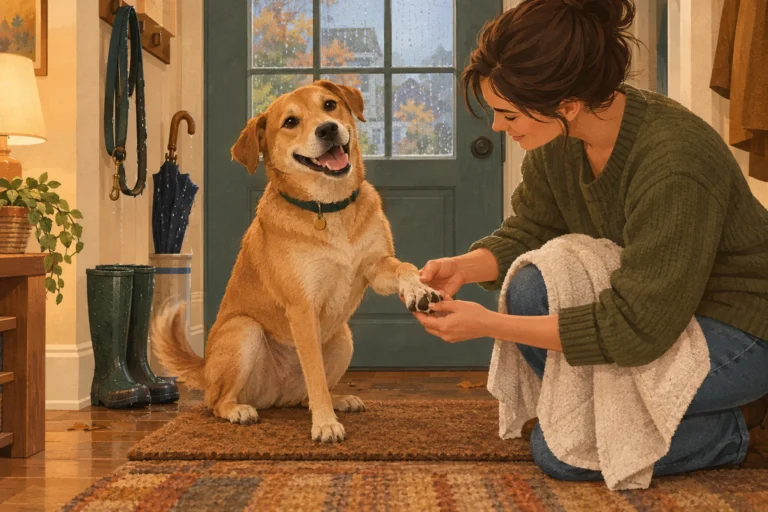
After the walk, look between the toes. The ASPCA recommends washing and drying the feet and stomach after each winter walk and checking for cracks in the pads or redness between the toes. If you see pale, grey or blue skin, swelling, blisters or pain when you touch a paw, the AKC lists those as frostbite signs. In that case move your dog somewhere warm, don’t rub the area or use a hair dryer or heating pad, and call your vet. That decision belongs with your veterinarian, not with a blog post.
If you do buy boots, three things decide whether it works
- Measure the paw standing, not held. The AKC suggests pressing your dog’s paw onto a sheet of paper, tracing it, and measuring across the widest part. A paw spreads when it carries weight. Measure a front and a back paw rather than assuming they match.
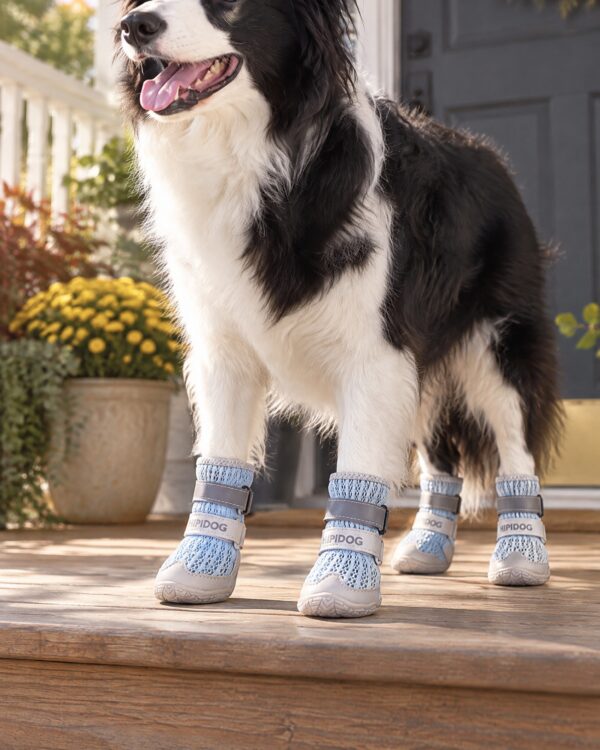
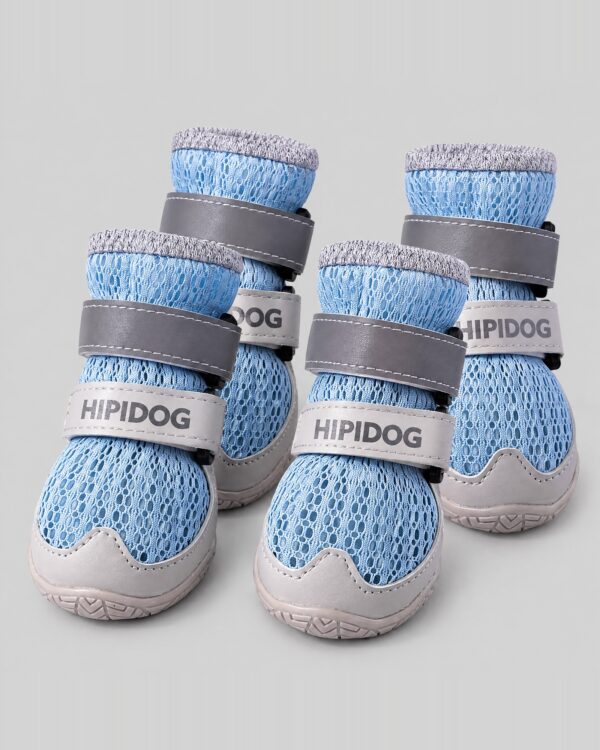
- Pick the sole for the surface. Salt calls for a boot that seals well. Ice calls for a grooved, grippy sole. For deep snow, the boot needs to grip the leg well enough that it doesn’t get pulled off with every step.
- Introduce them indoors, one boot at a time. The AKC’s advice is to start with a single boot, use treats and praise, and build up time indoors before the first real walk.
The most common complaint about dog boots is that they come off. That is nearly always a fit problem at the top of the boot, not the dog. We go through the causes in why dog boots keep falling off. And a dry boot matters as much as a warm one. The AKC warns that a boot that traps water leaves moisture between the toe pads, which can increase the chance of yeast infections.
If the slipping you’re worried about happens indoors on hardwood, not on ice, that’s a different fix. Rugs and paw grooming come before boots. See dog slipping on hardwood floors.
If your dog won’t wear boots
Plenty of dogs never accept them, and that’s not a failure. Cornell says applying certain balms or petroleum jelly to the pads may help prevent cracking. The ASPCA suggests massaging petroleum jelly or a vet-approved paw protectant into the pads before going out on salted ground. For long-haired dogs, the ASPCA also recommends trimming the hair between the toes so ice and salt have less to cling to. Then wipe or wash the paws when you get in. Our routine for cleaning dog paws after a walk covers the salt step. Wax plus a thorough wipe-down is a reasonable choice. It just does nothing for sharp ice, and it wears off on a long walk.
Dog boots in winter: FAQ
Do dogs really need boots in winter?
Not most healthy dogs on ordinary walks. Their paw pads have a counter-current blood supply that limits heat loss in the cold. Boots are worth it on salted sidewalks, in snow that balls up between the toes, on sharp ice, and on long outings for small, short-coated, young or senior dogs.
Do dogs need shoes in winter, or is that different from boots?
It’s the same question. Boots, booties and dog shoes all mean a covering for the paw, and the answer doesn’t change with the name: not for the cold alone, but often for salt, packed snow and sharp ice. What matters is fit, not what the product is called.
Should dogs wear boots when hiking in snow?
On icy or crusted trails it’s a good idea. The AVMA warns that sharp, broken edges of ice can cut a dog’s feet and that a cold enough path can cause frostbite, and it calls boots a great way to protect feet in frigid or icy conditions. It also suggests changing the route or shortening the outing. The AKC’s rule of thumb fits too: if you wouldn’t walk barefoot on a surface, neither should your dog.
Do small dogs need boots in the snow?
More often than big dogs. The AKC lists small and short-haired dogs among those at highest frostbite risk, and Cornell says small dogs have a harder time staying warm. Boots help, but keeping walks short in hard cold helps more.
How cold is too cold for a dog’s paws?
There’s no single number for every dog. The AKC notes that dogs can get frostbite below 32°F, and that it can start in about 30 minutes. Wet feet and wind make it more likely, according to Merck. Watch the dog rather than the forecast: lifting paws or refusing to walk means it’s time to go in.
Do dogs need boots for salt?
Salt is the best reason to use them. De-icers irritate pads and get licked off later, which can upset the stomach or worse. If your dog won’t wear boots, use paw wax before the walk and wipe the paws as soon as you get home. Our guide to ice melt and dog paws goes through the ingredients and the wipe-down.
Are dog boots bad for dogs?
Not when they fit. The problems come from boots that are too tight, that twist and rub, or that trap water against the pads. Introduce them gradually indoors, check the paws after the first few walks, and stop if you see rubbing or redness. What the small gait studies found, and why one boot on its own is the set-up to avoid, is in are dog boots bad for dogs.
Do huskies and other thick-coated dogs need boots?
They handle cold better than most, and Cornell names Siberian Huskies and Malamutes as examples of cold-tolerant double coats. But the coat doesn’t help with salt or ice cuts. A husky walking on a salted city sidewalk benefits from boots or a paw wipe as much as any other dog.
Paws handle the cold. Boots handle the salt and the ice.
A healthy dog’s pads are built for snow, so you don’t need boots because of the thermometer. Use them for salted streets, snowballs between the toes, sharp ice and long outings with a small, short-coated, young or old dog. If boots aren’t working out, paw wax plus a good wipe at the door covers most of the same ground.
Sources
- Ninomiya H. et al. — Functional anatomy of the footpad vasculature of dogs, Veterinary Dermatology 2011;22(6):475–81 (PubMed) (checked 2026-10-04)
- American Kennel Club — Can Dogs Get Frostbite? (checked 2026-10-04)
- American Kennel Club — Choosing the Right Dog Boots or Shoes for Your Dog (checked 2026-10-04)
- American Kennel Club — How Long Can Dogs Be Outside? (checked 2026-10-04)
- American Veterinary Medical Association — Walking or Running With Your Dog (checked 2026-10-15)
- ASPCA — Cold Weather Safety Tips (checked 2026-10-04)
- ASPCA Animal Poison Control Center — Keeping Pets Safe During Winter: Dangers of Ice Melts (checked 2026-10-04)
- Cornell University College of Veterinary Medicine — Winter safety tips (checked 2026-10-04)
- Merck Veterinary Manual — Keeping Pets Safe During Cold Winter Months (checked 2026-10-04)
This page is general guidance, not veterinary advice. If you think your dog has frostbite or has swallowed salt, ice melt or antifreeze, call your veterinarian or an animal poison control line straight away.