
The best cat carrier for travel depends on the kind of travel you mean. A carrier for a vet visit is not always the same carrier you want for a city errand, a short road trip, or a flight day. Cats also have strong opinions about entry style, visibility, and how exposed they feel.
A good travel cat carrier should make loading easier, keep the base stable, and offer enough mesh for airflow without making your cat feel trapped in an open display case.
Match the carrier to the trip
| Travel situation | Best fit | Why |
|---|---|---|
| Vet visits | Soft open-top carrier | Top access can make loading and exam-room handling calmer. |
| City errands | Tote or compact backpack | Easy to carry and easier to keep close in crowded spaces. |
| Longer walks | Backpack cat carrier | Hands-free carrying with more weight support. |
| Flight days | Soft-sided under-seat carrier | Airline size policies and flexible sides become more important. |
Soft carrier, hard carrier, or backpack?
Soft cat carriers are often easier to store and more comfortable for short trips. They can also be less intimidating when you leave them open at home for your cat to explore before travel day.
Hard carriers are useful when you need maximum structure, but they can be harder to carry through a city or fit into small spaces. Backpack cat carriers are best when your hands need to stay free, but they should have a stable base and enough mesh to avoid overheating.
Look for entry points your cat will accept
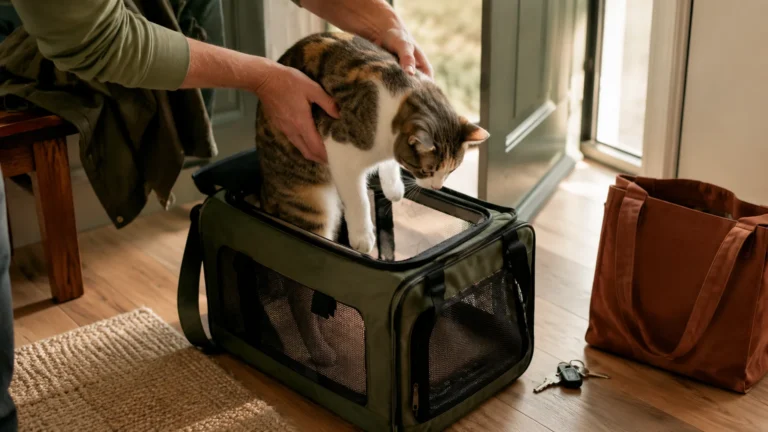
Many cats resist a front-only door because it feels like being pushed into a tunnel. A top opening can be much easier, especially for cats who freeze or spread their paws when they see a carrier. Side entry is useful when your cat is calmer and will walk in on their own.
If possible, leave the carrier open at home with a familiar blanket inside. The best carrier is easier to use when your cat does not only see it on stressful days.
TuckTrail pick
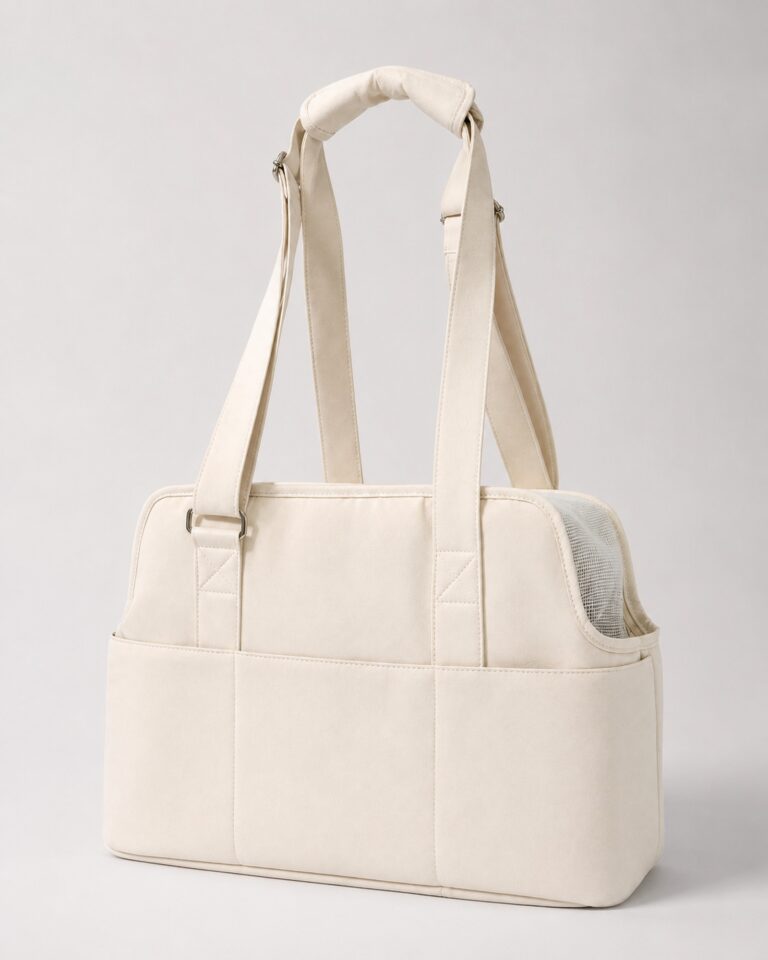
The Everyday Soft Top-Open Pet Carrier is designed for calm home prep, short errands, and vet visits. If you want a hands-free travel option, compare it with the City Triangle Mesh Cat Backpack Carrier.
What to check before buying
- Can your cat turn around and settle without being squeezed?
- Does the base stay flat when carried?
- Is there mesh on more than one side?
- Can the carrier be cleaned after accidents or motion sickness?
- Does the entry style fit your cat’s personality?
Cat travel carrier FAQ
Do cats prefer hard or soft carriers?
Many cats do well in soft carriers for short trips because they feel less noisy and easier to keep open at home. Some cats still need the extra structure of a hard carrier, especially if they scratch or push hard against soft sides.
What is the easiest carrier for a cat who hates carriers?
Look for top access, a stable base, and enough room to lower your cat in calmly. Leave the carrier open at home so it becomes familiar before you need it.
Can I use the same cat carrier for flights and vet visits?
Sometimes, but flight days add stricter size and airline-policy checks. A carrier that is comfortable for vet visits may be too tall or too rigid for under-seat travel.
Bottom line
The best cat carrier for travel is not just the prettiest bag. It is the one your cat can enter, breathe in, and settle inside while you handle the trip. For most cats, start with a soft carrier for vet visits and short trips, then add a backpack or under-seat carrier only when your travel routine needs it.